
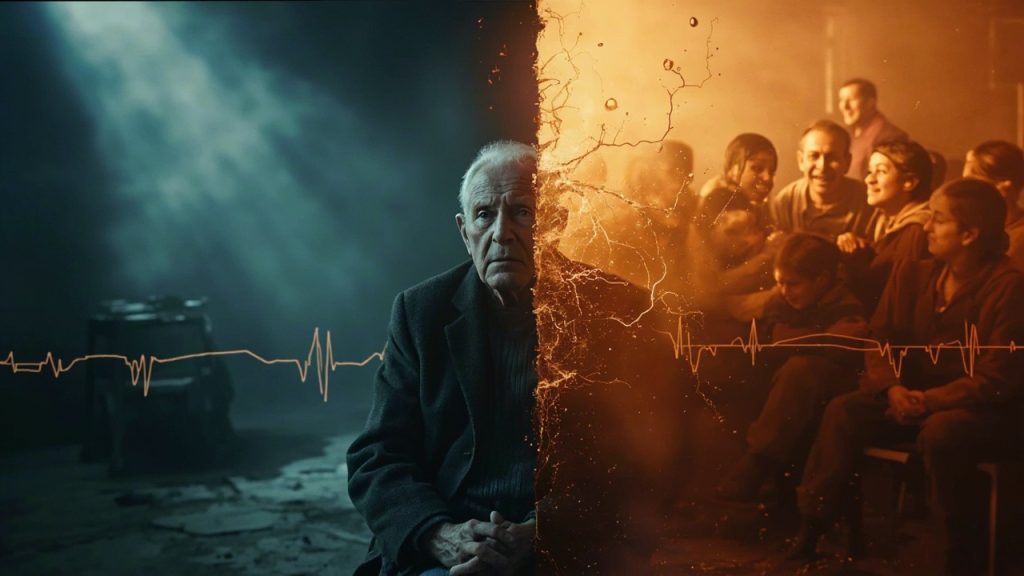
In an age where digital connectivity promises to bring us closer together, a paradoxical health crisis is quietly claiming more lives than many recognized diseases. Recent groundbreaking research reveals that loneliness and mortality risk are so closely linked that chronic social isolation poses health dangers comparable to smoking 15 cigarettes daily. This isn’t simply about feeling sad or temporarily disconnected—we’re talking about a measurable, physiological threat that rewrites our biological systems at the cellular level.
The implications are staggering. While society focuses intensively on combating smoking, obesity, and other well-publicized health threats, millions of people are silently succumbing to what researchers now classify as a loneliness epidemic. Understanding this connection between social isolation and premature death isn’t just academic curiosity—it’s essential knowledge that could literally save your life or the life of someone you care about.
The Shocking Research Behind Loneliness and Mortality Risk Statistics
Dr. Julianne Holt-Lunstad’s landmark meta-analysis at Brigham Young University fundamentally changed how the medical community views social connections. Her comprehensive review of 148 studies encompassing over 300,000 participants revealed that people with stronger social relationships had a 50% increased likelihood of survival compared to those with weaker social ties.
The numbers are genuinely alarming when placed in context. Holt-Lunstad’s research demonstrates that loneliness and mortality risk creates a hazard ratio equivalent to well-established risk factors we take seriously. Chronic loneliness increases premature death risk by 26%, while social isolation bumps it up by 29%. To put this in perspective, obesity increases mortality risk by 23%—meaning loneliness is literally more dangerous than carrying excess weight.
More recent studies have only reinforced these findings. A 2023 analysis published in the Journal of the American Heart Association found that socially isolated individuals face a 32% higher risk of stroke and 29% increased risk of heart disease. The research consistently points to the same conclusion: our social connections aren’t luxury items for emotional well-being—they’re fundamental requirements for physical survival.
What makes these statistics particularly sobering is their universality. The mortality risks associated with loneliness transcend age groups, socioeconomic status, and geographic boundaries. Whether you’re examining data from rural communities or urban centers, the pattern remains consistent: people who lack meaningful social connections die younger, and they die more frequently from preventable causes.
How Social Isolation Physically Changes Your Body and Brain
The biological mechanisms linking loneliness to increased mortality are both fascinating and frightening. When we experience chronic social isolation, our bodies interpret this as an existential threat, triggering ancient survival responses that were once protective but now prove harmful in modern contexts.
Chronic inflammation represents one of the most significant pathways through which loneliness damages our health. Lonely individuals show elevated levels of inflammatory markers like C-reactive protein and interleukin-6, creating a persistent state of low-grade inflammation throughout the body. This inflammatory response increases the risk of cardiovascular disease, diabetes, arthritis, and even certain cancers.
The immune system undergoes particularly dramatic changes during extended periods of loneliness. Research shows that socially isolated individuals experience altered gene expression in their immune cells, with genes responsible for fighting viral infections becoming less active while genes promoting inflammation become hyperactive. This leaves lonely people more susceptible to infections and slower to recover from illnesses.
Neurologically, loneliness rewires the brain in concerning ways. MRI studies reveal that chronically lonely individuals show increased activity in the brain’s threat-detection systems while showing decreased activity in areas responsible for empathy and social reasoning. This creates a vicious cycle where lonely people become hypervigilant to social threats, making it even more difficult to form the connections they desperately need.
Sleep quality deteriorates significantly among socially isolated individuals, not just due to emotional distress but because of measurable changes in sleep architecture. Lonely people spend less time in restorative deep sleep phases and experience more frequent nighttime awakenings, contributing to a cascade of health problems including weakened immunity, impaired cognitive function, and increased inflammation.
Loneliness vs. Being Alone: Understanding the Critical Difference
One of the most crucial distinctions in understanding loneliness and mortality risk lies in recognizing that loneliness and solitude are fundamentally different experiences. Many people who live alone or spend considerable time in solitude report high levels of life satisfaction and exhibit no increased mortality risk. Conversely, individuals surrounded by people can experience profound loneliness that significantly impacts their health.
Loneliness is essentially a perceived discrepancy between the social connections we have and the social connections we desire. It’s characterized by feelings of disconnection, lack of meaningful relationships, and a sense that others don’t truly understand or care about us. This subjective experience triggers the biological stress responses that contribute to increased mortality risk.
Solitude, by contrast, represents a chosen state of being alone that many people find restorative and fulfilling. Individuals who enjoy solitude typically maintain a sense of connection to others even when physically alone. They possess confidence in their ability to reach out and connect when desired, and they don’t interpret their alone time as evidence of social rejection or inadequacy.
The key factors that differentiate healthy solitude from harmful loneliness include:
- Choice and control: Voluntary solitude feels empowering, while imposed isolation feels threatening
- Quality of existing relationships: People in solitude maintain meaningful connections they can activate
- Self-perception: Healthy individuals view alone time as restoration rather than rejection
- Future orientation: Those enjoying solitude anticipate future social interactions positively
Understanding this distinction is crucial for addressing loneliness effectively. Simply increasing social contact won’t necessarily reduce loneliness if the underlying feelings of disconnection and lack of meaning persist. Conversely, people who genuinely prefer solitude shouldn’t be pressured into unwanted social activities that may actually increase their stress levels.
The Hidden Health Crisis: Why Loneliness and Mortality Risk Rivals Smoking
The comparison between loneliness and smoking isn’t hyperbolic—it’s based on rigorous scientific analysis of mortality data. When researchers examine the statistical impact of various risk factors on lifespan, chronic loneliness consistently ranks alongside or above many conditions we consider serious health threats.
Like smoking, loneliness and mortality risk operates through multiple biological pathways simultaneously. Smokers face increased cancer risk, cardiovascular disease, respiratory problems, and impaired immune function. Similarly, chronically lonely individuals experience elevated inflammation, compromised immunity, increased cardiovascular stress, and disrupted sleep patterns. Both conditions create systemic health deterioration rather than targeting a single organ system.
The comparison becomes even more striking when examining dose-response relationships. Just as smoking more cigarettes increases health risks, deeper levels of loneliness correlate with greater mortality risk. People reporting severe, persistent loneliness show mortality risks comparable to smoking a pack of cigarettes daily, while moderate loneliness aligns with lighter smoking habits.
What makes loneliness potentially more dangerous than smoking is its invisibility and social acceptability. We’ve successfully created social stigma around smoking, implemented public health campaigns, and developed cessation programs. Loneliness, however, often goes unrecognized and untreated. People may not even realize their social isolation is threatening their physical health, and those who do recognize it often feel ashamed to seek help.
The economic impact mirrors that of smoking as well. Healthcare costs for socially isolated individuals exceed those of well-connected people by thousands of dollars annually. Emergency room visits, hospital readmissions, and chronic disease management all increase among lonely populations. Yet unlike smoking cessation programs, comprehensive loneliness intervention programs remain rare in most healthcare systems.
For those concerned about their overall health trajectory, understanding these risks becomes as important as monitoring other health indicators. Tools like a death clock calculator can help contextualize how various lifestyle factors, including social connections, might impact longevity predictions.
Who’s Most at Risk: Demographics and Vulnerable Populations
While loneliness can affect anyone regardless of background, certain populations face disproportionately higher risks for social isolation and its associated mortality consequences. Understanding these vulnerable groups is crucial for developing targeted interventions and recognizing warning signs in ourselves and our communities.
Older adults represent the most extensively studied population regarding loneliness and mortality risk. Adults over 65 face unique challenges including retirement transitions, loss of spouses and friends, mobility limitations, and age-related health conditions that can restrict social activities. Research consistently shows that lonely older adults have significantly higher rates of cognitive decline, depression, and premature death.
Surprisingly, young adults (ages 18-25) report the highest levels of loneliness in many recent surveys, despite their apparent connectivity through social media and digital platforms. College students living away from home, young professionals in new cities, and individuals navigating major life transitions often struggle with forming meaningful adult relationships while losing childhood connections.
Several other demographic groups face elevated risks:
- Caregivers: Individuals caring for family members with chronic illnesses often become socially isolated
- Remote workers: People working from home may lack daily social interactions that office environments provide
- Recent immigrants: Language barriers and cultural differences can impede social connection formation
- LGBTQ+ individuals: Those lacking family acceptance or living in unsupportive communities face higher isolation risks
- Individuals with chronic illnesses: Health conditions can limit social activities and create feelings of being misunderstood
Geographic factors also play significant roles. Rural residents often face greater challenges accessing social activities and support services, while urban dwellers may experience loneliness despite being surrounded by millions of people. The “urban loneliness” phenomenon reflects how population density doesn’t automatically translate to social connection.
Economic factors compound loneliness risks across all demographics. Financial stress can limit social activities, force people to work excessive hours, and create shame that prevents individuals from maintaining relationships they can’t afford to reciprocate.
Building Meaningful Connections: Evidence-Based Solutions That Work
Addressing loneliness and mortality risk requires more than simply increasing social contact—it demands building authentic, meaningful relationships that provide emotional support and genuine connection. Research has identified several evidence-based strategies that effectively combat loneliness and its associated health risks.
Quality trumps quantity in all effective interventions. Studies consistently show that having three to five close, supportive relationships provides greater health benefits than maintaining dozens of superficial connections. Focus your energy on deepening existing relationships rather than constantly seeking new ones.
Structured social activities prove more effective than unstructured socialization for many people. Joining clubs, volunteer organizations, religious congregations, or hobby groups provides natural conversation topics and shared experiences that facilitate relationship formation. The key is choosing activities aligned with your genuine interests rather than forcing yourself into situations that feel uncomfortable.
Professional interventions show remarkable success rates when properly implemented. Cognitive-behavioral therapy specifically designed for loneliness helps individuals identify and change thought patterns that perpetuate social isolation. Group therapy sessions focused on social skills development create opportunities for both learning and connection.
Technology, when used strategically, can enhance rather than replace in-person connections. Video calling platforms like Zoom or Skype help maintain relationships across distances, while social networking platforms can facilitate organizing in-person activities. The key is using technology to supplement, not substitute for, face-to-face interactions.
Physical activity provides dual benefits for addressing loneliness. Exercise naturally combats depression and anxiety that often accompany social isolation, while group fitness activities create opportunities for social interaction. Research on exercise and life expectancy demonstrates how physical fitness and social connections work synergistically to improve health outcomes.
Developing emotional regulation skills proves crucial for breaking cycles of loneliness. Many people struggle with social connections because they haven’t learned healthy ways to manage rejection, conflict, or vulnerability in relationships. Mindfulness practices, emotional intelligence training, and stress management techniques all contribute to more successful social interactions.
When to Seek Help: Recognizing Dangerous Levels of Social Isolation
Recognizing when loneliness has progressed from temporary discomfort to a genuine health threat requires honest self-assessment and awareness of warning signs. Not all periods of solitude or social disconnection warrant professional intervention, but certain patterns indicate that loneliness and mortality risk has reached dangerous levels.
Duration and persistence represent key factors in determining when to seek help. Temporary loneliness following major life changes—like moving to a new city, ending a relationship, or losing a loved one—is normal and expected. However, loneliness persisting for more than six months without improvement suggests the need for intervention.
Physical symptoms often provide the clearest indicators that loneliness is impacting health. Warning signs include:
- Chronic fatigue despite adequate sleep
- Frequent illnesses or slow recovery from minor infections
- Unexplained aches and pains
- Significant changes in appetite or weight
- Persistent insomnia or sleep disturbances
- Increased reliance on alcohol, drugs, or other substances
Emotional and cognitive symptoms also warrant attention when they significantly impact daily functioning. These include persistent feelings of worthlessness, inability to enjoy previously pleasurable activities, difficulty concentrating at work or school, and recurring thoughts that life isn’t worth living. Such symptoms often indicate that loneliness has evolved into clinical depression requiring professional treatment.
Behavioral changes provide additional red flags. Social withdrawal that extends beyond temporary preferences, declining personal hygiene, neglecting responsibilities, or avoiding activities you previously enjoyed all suggest that isolation has become problematic rather than chosen.
Several types of professional help can address dangerous levels of loneliness. Licensed therapists specializing in social anxiety, depression, or relationship issues can provide individual counseling. Support groups led by mental health professionals create opportunities for both treatment and social connection. Some healthcare systems now offer specific loneliness intervention programs that combine therapy, social skills training, and facilitated group activities.
Don’t overlook the role of primary healthcare providers in addressing loneliness-related health issues. Many doctors now screen for social isolation as part of routine health assessments and can provide referrals to appropriate resources. Addressing loneliness may be as important for your long-term health as managing blood pressure or cholesterol levels.
Creating a Loneliness-Resistant Life: Long-Term Prevention Strategies
Building resilience against loneliness requires intentional lifestyle choices that prioritize social connection alongside other health behaviors. Just as we develop exercise routines and healthy eating habits to prevent physical ailments, creating systematic approaches to maintaining social connections can significantly reduce loneliness and mortality risk throughout our lives.
Diversifying your social portfolio provides protection against inevitable life changes that can disrupt individual relationships. Maintain connections across different spheres of life—family, friends, colleagues, neighbors, and community members. This ensures that losing connections in one area doesn’t leave you completely isolated.
Regular social maintenance activities should become as routine as physical exercise. Schedule weekly phone calls with distant friends, monthly dinners with local acquaintances, and annual gatherings with extended family. Treating social connections as requiring ongoing investment prevents relationships from atrophying through neglect.
Developing strong communication and conflict resolution skills pays enormous dividends in relationship longevity. Many people become socially isolated not because they can’t form initial connections, but because they lack skills to navigate inevitable relationship challenges. Learning to express needs clearly, listen empathetically, and resolve disagreements constructively helps maintain long-term relationships.
Creating opportunities for others to connect with you makes relationships more reciprocal and sustainable. Host regular gatherings, organize group activities, or simply make yourself available when others need support. People who give social support typically receive it in return, creating positive feedback loops that strengthen entire social networks.
Maintaining physical health supports social connection capacity. Chronic health problems can limit your ability to engage in social activities and may create shame or embarrassment that drives isolation. Regular exercise, proper nutrition, and preventive healthcare all contribute to your long-term ability to maintain active social lives. Understanding concepts like VO2 max and longevity can help you maintain the physical capacity needed for an active social life.
Developing interests and hobbies that can be shared with others creates natural opportunities for ongoing social interaction. Whether it’s joining a book club, participating in community sports leagues, or volunteering for causes you care about, shared activities provide the foundation for meaningful relationships while contributing to your personal fulfillment.
Finally, cultivating emotional intelligence and self-awareness helps you recognize early warning signs of social isolation and take corrective action before loneliness becomes entrenched. Regular self-reflection about your social needs and relationship satisfaction enables proactive rather than reactive approaches to maintaining connections.
The evidence is undeniable: loneliness and mortality risk represents one of the most significant yet underaddressed health threats of our time. With chronic social isolation matching or exceeding the mortality risks of smoking, obesity, and other recognized health hazards, understanding and addressing loneliness isn’t optional—it’s essential for anyone serious about living a long, healthy life.
The good news is that unlike many health risks, loneliness is entirely preventable and treatable through conscious effort and appropriate support. By recognizing the warning signs, implementing evidence-based connection strategies, and seeking help when needed, we can protect ourselves and our loved ones from this silent killer.
Your social connections aren’t luxury items for emotional comfort—they’re fundamental requirements for physical survival. Start today by reaching out to someone you haven’t spoken to in a while, joining a community group aligned with your interests, or simply being more intentional about nurturing your existing relationships. Your life, quite literally, may depend on it.