
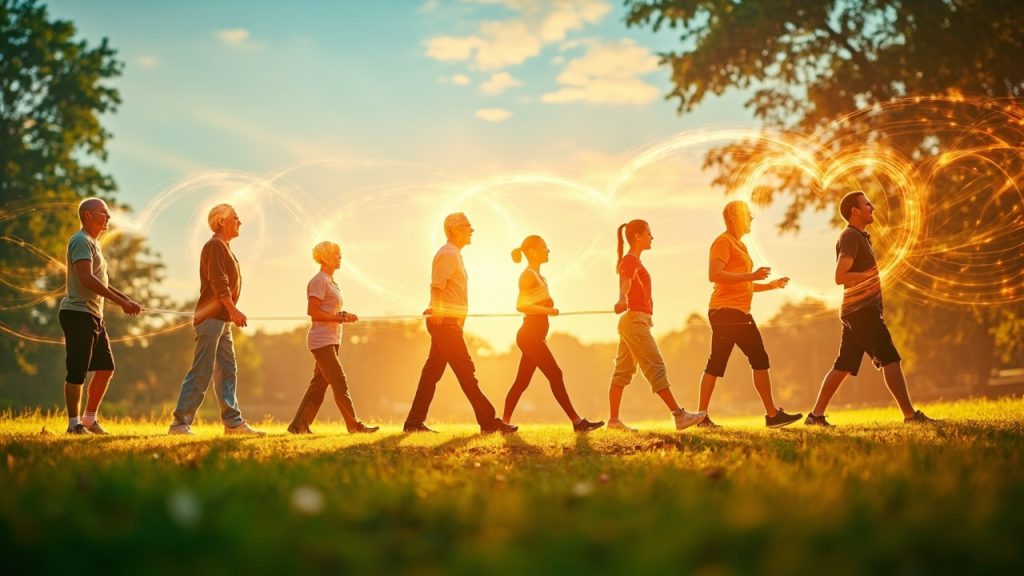
While most people understand that regular exercise and nutritious eating contribute to a longer life, emerging research reveals an equally powerful predictor of longevity that many overlook: our social connections. The quality and depth of our relationships with others may influence how long we live just as much as hitting the gym or eating vegetables. This isn’t just feel-good psychology—it’s hard science backed by decades of rigorous research from leading institutions worldwide.
Scientists have discovered that social connections and longevity share a profound relationship that extends far beyond emotional well-being. People with strong social networks consistently outlive their more isolated counterparts, often by years or even decades. Understanding this connection becomes increasingly crucial in our modern world, where loneliness rates continue climbing despite unprecedented digital connectivity. The implications for public health are staggering, suggesting we may need to prescribe friendship with the same urgency we recommend physical fitness.
The Science Behind Social Connections and Longevity: What Research Reveals
Groundbreaking research from Harvard University’s Grant Study, spanning over eight decades, provides some of the most compelling evidence linking social connections and longevity. This longitudinal study tracked participants from adolescence through old age, revealing that individuals with stronger social relationships had significantly lower mortality rates across all age groups. The data shows that socially connected people live longer, healthier lives with reduced rates of cognitive decline and chronic disease.
A comprehensive meta-analysis conducted by researchers at Brigham Young University examined data from 148 studies involving over 300,000 participants. Their findings were remarkable: people with adequate social relationships had a 50% greater likelihood of survival compared to those with poor or insufficient social connections. This effect remained consistent across age, sex, initial health status, and cause of death, suggesting that social bonds provide universal health benefits.
The biological mechanisms underlying this connection involve multiple systems throughout the body. Strong social relationships appear to strengthen immune function, reduce inflammation, and lower stress hormones like cortisol. Researchers have identified specific pathways through which social support influences gene expression, cellular aging, and cardiovascular health. These findings suggest that meaningful relationships literally change how our bodies function at the molecular level.
How Strong Relationships Impact Your Physical Health and Lifespan
The physiological benefits of strong social connections manifest through several distinct pathways that directly impact longevity. Cardiovascular health improves significantly among people with robust social networks, with lower rates of heart disease, stroke, and hypertension. Studies consistently show that married individuals and those with close friendships experience better heart health outcomes, including faster recovery from cardiac events and reduced risk of future complications.
Social connections also profoundly influence immune system function. People with strong relationships show enhanced immune responses to vaccines, faster wound healing, and reduced susceptibility to infectious diseases. Research indicates that socially connected individuals produce more antibodies when exposed to pathogens and maintain more stable immune markers throughout their lives. This enhanced immunity translates directly into reduced mortality risk and better overall health outcomes.
Mental health benefits from social connections create additional longevity advantages. Strong relationships provide natural buffers against depression, anxiety, and cognitive decline, all of which independently increase mortality risk. Social engagement stimulates cognitive function, potentially delaying or preventing dementia onset. The combination of better mental health and preserved cognitive function significantly extends both lifespan and healthspan—the years lived in good health.
Social Connections vs Exercise: Comparing Their Effects on Longevity
When researchers directly compare the longevity benefits of social connections versus physical exercise, the results often surprise people. While both factors significantly impact lifespan, strong social relationships appear to provide equal or greater protective effects than regular physical activity. The Brigham Young University meta-analysis found that lack of social connection carries mortality risks comparable to smoking 15 cigarettes daily or consuming excessive alcohol.
However, the most powerful approach combines both social connections and physical exercise rather than choosing one over the other. People who maintain both strong relationships and regular exercise habits experience the greatest longevity benefits, with some studies showing up to 7-year increases in life expectancy. The synergistic effects occur because social connections often facilitate healthier lifestyle choices, including more consistent exercise habits and better adherence to medical recommendations.
Exercise physiologists now recognize that social elements of physical activity may be just as important as the activity itself. Group fitness classes, walking clubs, and team sports provide dual benefits by combining cardiovascular fitness with social engagement. This understanding has led to new exercise prescriptions that emphasize community-based activities over solitary workouts, maximizing both physical and social health benefits for optimal longevity outcomes.
The Hidden Health Costs of Loneliness and Social Isolation
Chronic loneliness triggers a cascade of physiological changes that accelerate aging and increase mortality risk across multiple body systems. Socially isolated individuals show elevated levels of inflammatory markers including C-reactive protein and interleukin-6, which contribute to cardiovascular disease, diabetes, and autoimmune conditions. This chronic inflammation state, sometimes called “inflammaging,” appears to be one of the primary mechanisms through which loneliness shortens lifespan.
The stress response system becomes dysregulated in people experiencing persistent social isolation. Elevated cortisol levels from chronic loneliness suppress immune function, disrupt sleep patterns, and accelerate cellular aging at the DNA level. Researchers have identified specific changes in gene expression that occur with social isolation, affecting over 200 genes related to immune function and inflammation. These genetic changes can persist even after social connections improve, suggesting lasting biological impacts.
Social isolation also increases engagement in health-damaging behaviors while reducing protective ones. Lonely individuals are more likely to smoke, drink excessively, maintain poor diets, and avoid medical care. They’re also less likely to exercise regularly or adhere to medication regimens. Understanding these patterns helps explain why mental health and life expectancy are so closely interconnected, with social isolation serving as a common pathway to both psychological distress and physical decline.
Building Meaningful Social Connections at Every Stage of Life
Creating and maintaining social connections requires different strategies depending on your life stage, but the fundamental principles remain consistent across ages. Young adults benefit from establishing diverse social networks through educational settings, workplace relationships, and community involvement. This period offers unique opportunities to form lasting friendships that can provide decades of social support and shared experiences contributing to longevity.
Middle-aged individuals face unique challenges as career demands and family responsibilities can limit social opportunities. Successful relationship building during this phase often involves integrating social activities with existing commitments, such as forming connections with other parents, joining professional organizations, or participating in family-friendly community events. Maintaining friendships from earlier life stages while remaining open to new connections helps create robust social networks.
Older adults may need to actively combat social isolation as retirement, health changes, and loss of loved ones naturally reduce social circles. Research shows that older adults who join clubs, volunteer, or participate in religious communities maintain better health and live longer than their more isolated peers. Technology can play a valuable role in maintaining distant relationships, though face-to-face interaction remains most beneficial for longevity outcomes.
Quality vs Quantity: What Type of Relationships Matter Most for Health
While having multiple social connections provides benefits, research consistently shows that relationship quality matters more than quantity for longevity outcomes. A few deep, meaningful relationships appear to provide greater health benefits than numerous superficial connections. The Harvard Grant Study found that individuals with even one or two high-quality relationships showed significant health advantages over those with many shallow connections.
Characteristics of health-promoting relationships include mutual support, trust, emotional intimacy, and regular contact. Relationships that provide both emotional and instrumental support—helping with practical needs as well as offering emotional comfort—show the strongest associations with longevity. These relationships create what researchers call “social capital,” a resource that can be drawn upon during times of stress or health challenges.
Toxic or stressful relationships, conversely, may actually harm health and reduce longevity. Chronic conflict, emotional abuse, or unreliable support can increase inflammation markers and stress hormones similar to social isolation. This research suggests that evaluating and improving relationship quality is as important as expanding social networks. Sometimes reducing time spent with negative relationships while investing more in positive ones provides greater health benefits.
Digital Age Challenges: Maintaining Real Social Connections in Modern Times
Social media and digital communication tools present both opportunities and challenges for building the type of social connections that promote longevity. While platforms like Facebook and Instagram can help maintain distant relationships and reconnect with old friends, research suggests that passive social media use may actually increase loneliness and reduce the quality of social connections that benefit health.
The key distinction lies in how digital tools are used. Active engagement through video calls, meaningful messaging, and using technology to facilitate in-person meetings can strengthen social connections and support longevity. Video conferencing platforms like Zoom and Skype enable face-to-face interaction across distances, while apps like Meetup help people find local communities based on shared interests.
However, digital interactions cannot fully replace the biological and psychological benefits of in-person contact. Face-to-face interaction triggers unique neurological and hormonal responses that promote bonding and stress reduction. The challenge for modern individuals is using technology as a supplement to, rather than replacement for, physical presence and genuine human connection. Finding this balance becomes increasingly important for those seeking to maximize the longevity benefits of social relationships.
Practical Strategies to Strengthen Your Social Network for Better Health
Building a health-promoting social network requires intentional effort and consistent action. Start by auditing your current relationships to identify which connections provide mutual support and positive interaction. Schedule regular contact with these important people, whether through weekly phone calls, monthly dinners, or seasonal gatherings. Consistency in social contact appears more important than intensity, with regular low-key interactions providing steady health benefits.
Engage in activities that naturally create social connections while providing other health benefits. Joining fitness classes, hobby groups, or volunteer organizations offers structured opportunities to meet like-minded people while pursuing meaningful activities. Religious congregations, book clubs, gardening groups, and community sports leagues all provide frameworks for developing relationships that can enhance longevity through both social connection and shared purpose.
Consider using available resources to better understand and plan for your health journey, including tools like the death clock that can provide perspective on longevity factors while motivating positive lifestyle changes. Additionally, staying informed about evidence-based longevity tips based on current science can help you make informed decisions about both social and other health-promoting behaviors. The key is taking action consistently rather than waiting for perfect opportunities or ideal circumstances to begin building stronger social connections.
The scientific evidence overwhelmingly demonstrates that social connections and longevity share a fundamental relationship that rivals the importance of traditional health behaviors like exercise and nutrition. Strong relationships provide measurable biological benefits including reduced inflammation, enhanced immune function, and improved cardiovascular health that directly translate into longer, healthier lives. This understanding should fundamentally change how we approach personal health and public health policy.
The choice between social connection and other health behaviors is a false dilemma—the greatest longevity benefits come from combining strong relationships with physical fitness, good nutrition, and other evidence-based health practices. However, for those who have neglected their social lives in favor of individual health pursuits, the research suggests that investing time and energy into building meaningful relationships may provide some of the highest returns in terms of added years and improved quality of life.
Take action today by reaching out to someone important in your life, joining a community group, or simply being more intentional about the social connections you already have. Your future self—and your longevity—will benefit from every effort you make to strengthen the human bonds that make life both longer and more meaningful.