
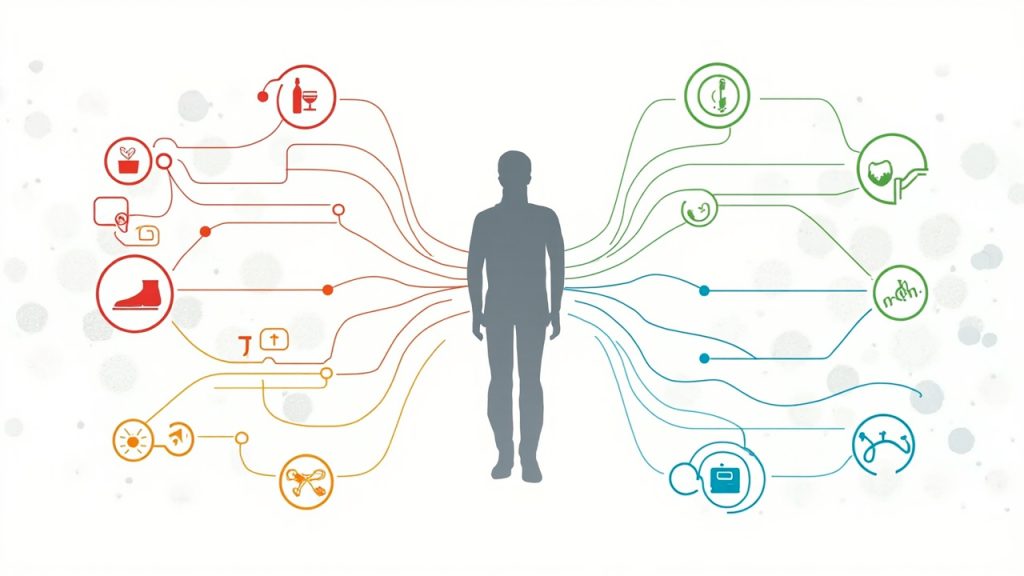
When it comes to your health and longevity, understanding the connection between cancer risk factors and life expectancy can be one of the most empowering pieces of knowledge you’ll ever acquire. While cancer remains a leading cause of death globally, accounting for nearly 10 million deaths annually according to the World Health Organization, the relationship between cancer risk factors longevity is far more nuanced than many people realize. The encouraging news is that research consistently shows that many cancer risk factors are modifiable, meaning you have significant control over your cancer prevention journey and overall lifespan.
Modern medical research reveals that approximately 40% of cancer cases are preventable through lifestyle modifications and environmental awareness. This statistic, supported by extensive studies from the American Cancer Society and National Cancer Institute, underscores a fundamental truth: your daily choices today directly influence your cancer risk profile tomorrow. Whether you’re in your twenties just beginning to think about long-term health or in your fifties reassessing your wellness strategy, understanding how cancer risk factors impact longevity provides you with actionable insights to extend both your healthspan and lifespan.
Understanding Cancer Risk Factors and Their Impact on Longevity
Cancer risk factors operate on a spectrum of influence, creating a complex interplay between genetics, environment, and lifestyle choices that ultimately shapes your longevity outlook. The National Cancer Institute categorizes these factors into modifiable and non-modifiable risks, with modifiable factors accounting for the majority of cancer cases worldwide. Understanding this distinction empowers you to focus your prevention efforts where they can make the greatest impact on your life expectancy.
Research published in Lancet Oncology demonstrates that individuals who actively manage their modifiable cancer risk factors can reduce their overall cancer risk by up to 50%, translating to an average life expectancy increase of 7-10 years. This substantial impact occurs because cancer prevention strategies often overlap with cardiovascular health, diabetes prevention, and other longevity-enhancing behaviors, creating a compounding effect on your overall health span.
The relationship between cancer risk factors and longevity extends beyond simple prevention statistics. When cancer does occur in individuals with lower baseline risk profiles, outcomes tend to be significantly better. Studies show that people with healthier lifestyle patterns before cancer diagnosis experience improved treatment responses, reduced treatment-related complications, and enhanced survival rates across all cancer types.
Understanding your personal risk profile requires recognizing that cancer risk factors don’t operate in isolation. They interact synergistically, meaning that multiple moderate risk factors can combine to create substantial overall risk. Conversely, positive health behaviors also compound, creating protective effects that extend far beyond cancer prevention to encompass comprehensive longevity enhancement.
Lifestyle Choices That Influence Cancer Risk Factors and Life Expectancy
Your daily lifestyle choices represent the most powerful tools in your cancer prevention arsenal, directly influencing both your immediate health and long-term longevity prospects. Tobacco use remains the single most preventable cause of cancer, responsible for approximately 30% of all cancer deaths according to American Cancer Society data. Quitting smoking at any age provides immediate and long-term benefits, with former smokers showing progressively reduced cancer risk over time, ultimately approaching that of never-smokers after 15-20 years.
Dietary patterns profoundly impact cancer risk factors and longevity outcomes. The Mediterranean diet, rich in fruits, vegetables, whole grains, and healthy fats, has been associated with a 10-15% reduction in overall cancer risk across multiple population studies. Processed meat consumption, conversely, increases colorectal cancer risk by approximately 18% per 50-gram daily serving, while excessive alcohol intake contributes to at least seven different cancer types, including breast, liver, and colorectal cancers.
Physical activity serves as a powerful longevity enhancer with specific anti-cancer benefits. Regular exercise reduces cancer risk through multiple mechanisms: maintaining healthy body weight, regulating hormones, enhancing immune function, and reducing chronic inflammation. The American Cancer Society recommends at least 150 minutes of moderate-intensity exercise weekly, which can reduce cancer risk by 20-30% for several cancer types while simultaneously improving cardiovascular health and mental well-being.
Sleep quality and stress management, often overlooked lifestyle factors, significantly influence cancer risk factors and longevity. Chronic sleep deprivation disrupts immune function and hormonal balance, potentially increasing cancer risk. Similarly, chronic stress elevates inflammatory markers and compromises immune surveillance, creating conditions that may promote cancer development. Implementing stress reduction techniques and prioritizing 7-9 hours of quality sleep nightly contributes to comprehensive cancer prevention strategies.
Environmental and Occupational Cancer Risk Factors Affecting Longevity
Environmental exposures represent a significant but often underappreciated category of cancer risk factors that can substantially impact your longevity outlook. Air pollution, classified as a Group 1 carcinogen by the World Health Organization, contributes to lung cancer risk even among never-smokers. Long-term exposure to fine particulate matter (PM2.5) increases lung cancer risk by approximately 15-20% per 10 μg/m³ increase in concentration, highlighting the importance of environmental awareness in longevity planning.
Occupational exposures affect millions of workers globally, with the International Agency for Research on Cancer identifying over 100 occupational carcinogens. Industries such as construction, manufacturing, agriculture, and healthcare present specific exposure risks ranging from asbestos and benzene to ionizing radiation and shift work. Understanding your occupational risk profile and implementing appropriate protective measures can significantly reduce your lifetime cancer risk while preserving longevity.
Residential environmental factors also influence cancer risk factors and longevity outcomes. Radon exposure, the second leading cause of lung cancer after smoking, affects homes nationwide with particularly high concentrations in certain geographic regions. Simple radon testing and mitigation can eliminate this significant risk factor. Similarly, exposure to chemicals in household products, pesticides, and water contaminants requires ongoing attention and mitigation strategies.
Climate change increasingly influences environmental cancer risk factors, with rising temperatures, changing precipitation patterns, and extreme weather events affecting exposure to carcinogens and access to healthcare services. Adapting to these evolving environmental challenges requires proactive planning and community-level interventions to protect long-term health and longevity for current and future generations.
Genetic Predisposition vs Preventable Cancer Risk Factors for Longevity
While genetic factors contribute to cancer risk, their influence on longevity is often overestimated compared to lifestyle and environmental factors. Hereditary cancer syndromes, such as BRCA1/BRCA2 mutations for breast and ovarian cancer or Lynch syndrome for colorectal cancer, affect only 5-10% of all cancer cases. Even with significant genetic predisposition, lifestyle modifications can substantially influence cancer risk and longevity outcomes, demonstrating that genetics is not destiny.
Genetic testing for cancer predisposition has become increasingly accessible and informative, providing valuable insights for personalized risk assessment and prevention strategies. However, genetic information must be interpreted within the context of family history, lifestyle factors, and environmental exposures. Even individuals with high-penetrance genetic mutations can significantly influence their cancer risk and longevity through enhanced surveillance, preventive interventions, and lifestyle optimization.
Epigenetic factors represent an emerging frontier in understanding cancer risk factors and longevity. Unlike genetic mutations, epigenetic changes are potentially reversible and strongly influenced by lifestyle factors such as diet, exercise, stress management, and environmental exposures. Research suggests that healthy lifestyle patterns can positively influence epigenetic markers, potentially reducing cancer risk even in genetically predisposed individuals.
Family history assessment remains a crucial component of cancer risk evaluation, often more practically useful than genetic testing for most individuals. A detailed three-generation family history can identify patterns suggesting hereditary cancer syndromes while also revealing shared environmental and lifestyle factors. This information enables targeted prevention strategies that address both genetic predisposition and modifiable risk factors for optimal longevity outcomes.
Age-Related Cancer Risk Factors and Expected Lifespan Changes
Age represents the most significant non-modifiable risk factor for cancer development, with cancer incidence rates increasing dramatically after age 50. However, the relationship between aging, cancer risk factors, and longevity is complex and highly individual. While advancing age increases cancer susceptibility due to accumulated cellular damage and declining immune function, healthy aging strategies can significantly influence cancer risk and overall life expectancy.
The concept of successful aging emphasizes maintaining physical function, cognitive health, and social engagement while minimizing disease risk. Research demonstrates that individuals who age successfully show reduced cancer risk compared to their chronologically similar peers, suggesting that biological age may be more relevant than chronological age in cancer risk assessment. This finding offers hope for extending both healthspan and lifespan through targeted interventions.
Age-specific cancer screening recommendations reflect the evolving understanding of cancer risk factors and longevity. Current guidelines emphasize individualized approaches that consider life expectancy, functional status, and personal preferences rather than chronological age alone. For example, mammography recommendations for women over 75 depend on overall health status and life expectancy rather than age cutoffs, recognizing the heterogeneity of aging processes.
Hormonal changes associated with aging, particularly in women during and after menopause, significantly influence cancer risk profiles. Hormone replacement therapy decisions require careful consideration of individual risk factors, family history, and longevity goals. Similarly, age-related changes in metabolism, immune function, and cellular repair mechanisms create opportunities for targeted interventions that can reduce cancer risk while promoting healthy longevity.
Evidence-Based Cancer Prevention Strategies to Extend Life Expectancy
Evidence-based cancer prevention strategies offer the most reliable pathway to reducing your cancer risk while simultaneously extending life expectancy across multiple health domains. The American Cancer Society’s updated prevention guidelines emphasize comprehensive lifestyle approaches that address multiple risk factors simultaneously, creating synergistic effects that extend far beyond cancer prevention to encompass cardiovascular health, diabetes prevention, and cognitive preservation.
Nutritional interventions represent cornerstone prevention strategies with robust evidence supporting their efficacy. Consuming at least five servings of fruits and vegetables daily reduces cancer risk by 10-15% across multiple cancer types while providing protective benefits against heart disease and stroke. Specific nutrients, including folate, vitamin D, and omega-3 fatty acids, show particular promise in cancer prevention, though obtaining these nutrients through whole foods rather than supplements provides optimal benefits.
Weight management emerges as a critical prevention strategy, with excess body weight linked to 13 different cancer types. Maintaining a body mass index between 18.5-24.9 throughout adulthood significantly reduces cancer risk while improving insulin sensitivity, cardiovascular health, and longevity outcomes. Even modest weight loss of 5-10% can provide substantial health benefits for overweight individuals, demonstrating that perfection isn’t required for meaningful risk reduction.
Vaccination represents an underutilized but highly effective cancer prevention strategy. The HPV vaccine prevents cervical and other HPV-related cancers, while hepatitis B vaccination protects against liver cancer. These interventions demonstrate how infectious disease prevention can translate into significant cancer risk reduction and longevity enhancement, particularly when administered according to recommended schedules.
Early Detection Methods That Improve Cancer Outcomes and Survival Rates
Early detection through evidence-based screening programs represents one of the most powerful interventions for improving cancer outcomes and extending life expectancy. Mammography screening for breast cancer reduces mortality by 20-40% among women aged 50-74, while colonoscopy screening for colorectal cancer can reduce both incidence and mortality through detection and removal of precancerous polyps.
Recent advances in screening technology offer enhanced detection capabilities with improved patient experience. Low-dose CT scanning for lung cancer screening among high-risk individuals (current or former heavy smokers) reduces lung cancer mortality by 20% according to National Lung Screening Trial data. Similarly, liquid biopsies and multi-cancer early detection tests show promise for identifying cancers before symptoms develop, though these technologies require additional validation before routine clinical implementation.
Personalized screening approaches increasingly incorporate individual risk factors, genetic information, and family history to optimize screening intervals and methods. For example, women with BRCA1/BRCA2 mutations benefit from enhanced screening protocols that may include annual MRI screening beginning at age 25-30, demonstrating how risk stratification can improve early detection outcomes.
Self-examination and awareness of cancer warning signs complement formal screening programs by enabling detection of cancers not covered by routine screening or that develop between screening intervals. Knowing your body’s normal patterns and promptly reporting concerning changes to healthcare providers can significantly improve outcomes for many cancer types, particularly skin cancers, breast cancer, and testicular cancer.
If you’re interested in assessing your overall health status and longevity factors, consider taking our comprehensive health assessment quiz to better understand your current risk profile and identify areas for improvement.
Building a Personalized Risk Assessment Plan for Long-Term Health
Creating a personalized cancer risk assessment plan requires systematic evaluation of your individual risk factors, family history, and lifestyle patterns to develop targeted prevention and screening strategies. This comprehensive approach enables you to prioritize interventions based on your specific risk profile while optimizing resource allocation for maximum longevity benefit.
Begin your risk assessment by documenting a detailed family history extending to grandparents, including cancer types, ages at diagnosis, and other relevant health conditions. This information helps identify potential hereditary cancer syndromes while revealing patterns that may suggest shared environmental or lifestyle risk factors. Consider consulting with a genetic counselor if your family history suggests significant hereditary cancer risk.
Lifestyle factor assessment should encompass all major modifiable risk factors: tobacco use, alcohol consumption, dietary patterns, physical activity levels, body weight, and stress management. Honest self-evaluation in these areas provides the foundation for developing targeted intervention strategies. Consider using validated assessment tools or working with healthcare providers to ensure comprehensive evaluation.
Environmental and occupational exposure assessment requires careful consideration of your residential history, occupational exposures, and recreational activities. Document potential exposures to known carcinogens, including asbestos, benzene, radiation, and other occupational hazards. Consider radon testing in your home and evaluation of water quality, particularly if you rely on well water.
Regular reassessment and plan updates ensure your prevention strategy remains current and effective as your risk profile evolves with age, lifestyle changes, and emerging scientific evidence. Schedule annual reviews with your healthcare provider to discuss screening recommendations, lifestyle modifications, and any new risk factors that may have emerged. For a fun way to engage with health assessment, you might also enjoy our cognitive health evaluation which can be part of your comprehensive wellness approach.
Documentation and tracking of your prevention efforts help maintain motivation while providing valuable information for healthcare providers. Consider using health tracking apps, journals, or digital tools to monitor your progress toward prevention goals. Some individuals find it meaningful to explore tools that help them understand their health trajectory, such as our longevity assessment tool, which can provide perspective on the importance of preventive health measures.
Understanding cancer risk factors longevity represents one of the most empowering investments you can make in your future health and well-being. The evidence consistently demonstrates that while cancer remains a significant health challenge, the majority of cancer cases are preventable through informed lifestyle choices, environmental awareness, and appropriate screening participation. Your daily decisions regarding diet, exercise, tobacco use, alcohol consumption, and stress management directly influence your cancer risk profile and overall life expectancy.
The journey toward optimal cancer prevention and longevity enhancement requires personalized approaches that consider your unique genetic background, environmental exposures, and lifestyle preferences. Rather than feeling overwhelmed by the complexity of cancer risk factors, focus on implementing evidence-based strategies systematically, starting with the modifications that offer the greatest impact for your individual circumstances. Remember that even small, consistent changes compound over time to create substantial health benefits.
Take action today by conducting an honest assessment of your current risk factors and identifying one or two areas where you can implement meaningful changes. Whether that involves scheduling overdue cancer screening, increasing your daily vegetable intake, or beginning a regular exercise program, each positive step contributes to your long-term health and longevity goals. Your future self will thank you for the prevention investments you make today, and the scientific evidence overwhelmingly supports the notion that it’s never too early or too late to begin reducing your cancer risk factors for enhanced longevity.