
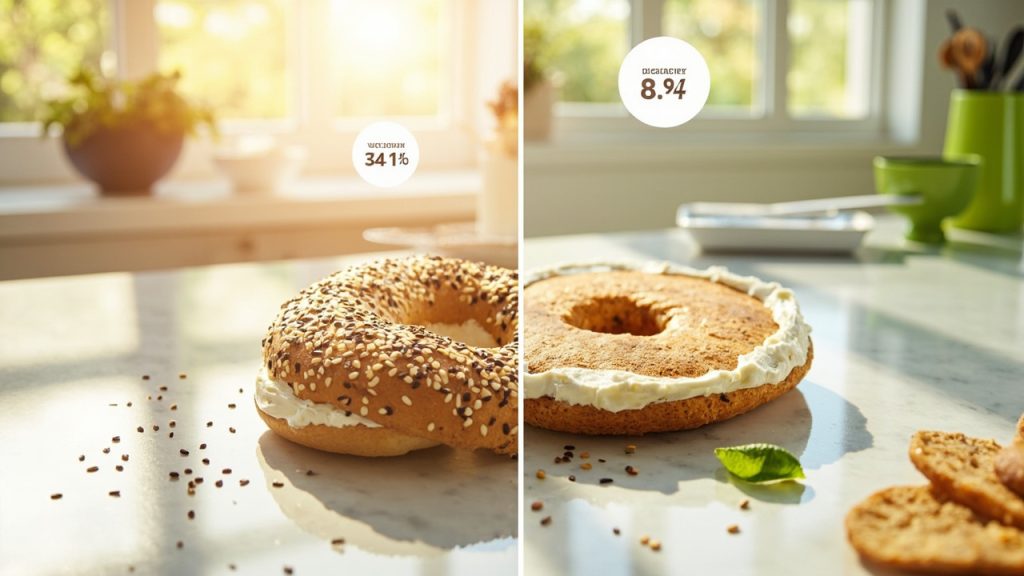
That warm, toasted bagel topped with a generous layer of cream cheese might be the highlight of your morning routine, but have you ever wondered exactly what those bagel cream cheese calories are doing to your daily nutrition goals? While this beloved breakfast combination delivers satisfying flavors and textures, the caloric impact can vary dramatically based on your choices. A typical bagel with cream cheese can range anywhere from 350 to over 600 calories, depending on the size of your bagel, type of cream cheese, and portion size. Understanding these numbers isn’t about depriving yourself of foods you love—it’s about making informed decisions that align with your health objectives while still enjoying your favorite morning treats.
Breaking Down Bagel Cream Cheese Calories by Type and Size
The foundation of understanding bagel cream cheese calories starts with recognizing that not all bagels are created equal. A small bagel (3-inch diameter) typically contains 180-220 calories, while a large bagel from your favorite deli can pack 350-450 calories before you even add toppings. According to the USDA National Nutrient Database, the average medium bagel weighs approximately 90 grams and contains around 245 calories.
When you add cream cheese to the equation, the numbers climb significantly. A standard serving of regular cream cheese is 2 tablespoons (28 grams), which contributes an additional 100 calories. However, most people don’t measure their cream cheese portions, and research from the National Institutes of Health suggests that actual portions often exceed recommended serving sizes by 40-60%.
Here’s what you’re looking at for complete combinations:
- Small plain bagel + 2 tbsp cream cheese: 280-320 calories
- Medium plain bagel + 2 tbsp cream cheese: 345-375 calories
- Large plain bagel + 3 tbsp cream cheese: 500-600 calories
These baseline numbers provide the starting point for calculating your morning meal’s impact, but specialty bagels and flavored cream cheeses can push these totals much higher.
Popular Bagel Varieties and Their Caloric Impact
Different bagel varieties can significantly alter your caloric intake, with some options containing nearly double the calories of plain varieties. Everything bagels, loaded with seeds and seasonings, typically contain 10-15 additional calories compared to plain bagels due to their toppings. Sesame and poppy seed bagels fall into a similar range.
However, sweet bagel varieties tell a different story entirely. Cinnamon raisin bagels can contain 20-40 extra calories per bagel due to added sugars and dried fruit. Blueberry bagels often include artificial flavoring and additional sugars, contributing an extra 25-35 calories. According to WebMD, chocolate chip bagels represent one of the highest-calorie options, with some varieties containing up to 100 additional calories compared to plain bagels.
Specialty bagels from artisan bakeries present another consideration. Asiago cheese bagels, French toast bagels, and other gourmet varieties can contain 50-80 additional calories due to enriched doughs, cheese inclusions, and premium ingredients. When combined with cream cheese, these specialty options can easily exceed 450-500 calories for a single serving.
The preparation method also matters. Toasted bagels don’t gain calories from the toasting process itself, but the improved taste and texture might encourage larger cream cheese portions, indirectly increasing your total caloric intake.
Cream Cheese Portions: How Much Are You Really Eating?
One of the biggest contributors to unexpected bagel cream cheese calories is portion distortion. The official serving size for cream cheese is 2 tablespoons, but research indicates that most people consume significantly more than this recommended amount. A study published in the American Journal of Preventive Medicine found that visual estimation of portion sizes tends to be inaccurate, with spreads and condiments being particularly prone to over-serving.
Here’s what different cream cheese portions actually look like in terms of calories:
- 1 tablespoon (light spread): 50 calories
- 2 tablespoons (standard serving): 100 calories
- 3 tablespoons (generous spread): 150 calories
- 4 tablespoons (heavily loaded): 200 calories
The thickness and coverage of cream cheese application varies widely among individuals. Some prefer a thin, even layer that barely covers the bagel surface, while others enjoy a thick, luxurious coating that extends beyond the edges. This difference can mean the distinction between consuming 280 calories total versus 450 calories for the same basic bagel combination.
Temperature also affects portion sizes. Room temperature cream cheese spreads more easily and evenly, potentially leading to more controlled portions. Cold cream cheese from the refrigerator requires more force to spread and may result in uneven application, leading some people to add more to achieve their desired coverage.
Complete Macronutrient Breakdown for Bagel Cream Cheese Combos
Understanding the complete nutritional profile beyond just bagel cream cheese calories provides valuable insight into how this breakfast choice fits into your daily nutrition goals. A typical medium plain bagel with 2 tablespoons of regular cream cheese delivers approximately 345 calories with the following macronutrient distribution:
- Carbohydrates: 48-52 grams (55-60% of calories)
- Fat: 12-15 grams (30-35% of calories)
- Protein: 12-14 grams (12-15% of calories)
- Fiber: 2-3 grams
- Sugar: 3-5 grams
The high carbohydrate content comes primarily from the bagel, which is made from refined wheat flour. According to the Mayo Clinic, this type of carbohydrate provides quick energy but may lead to blood sugar spikes followed by crashes, potentially triggering hunger sooner than more balanced meals.
The fat content, contributed mainly by cream cheese, includes both saturated and unsaturated fats. Approximately 60% of the fat in cream cheese is saturated, which amounts to about 7-9 grams per standard serving. This represents roughly one-third of the daily recommended saturated fat intake for most adults.
Protein content, while moderate, comes from both the bagel and cream cheese. However, this combination lacks some essential amino acids, making it an incomplete protein source. Pairing your bagel with additional protein sources like weight management supplements or planning balanced meals throughout the day can help optimize your protein intake.
Hidden Calories in Flavored Cream Cheeses and Specialty Bagels
Flavored cream cheeses can significantly increase your caloric intake without obvious visual cues. Strawberry cream cheese contains added sugars that contribute an extra 20-30 calories per 2-tablespoon serving compared to plain cream cheese. Vegetable cream cheese varieties, while seemingly healthier, often include oils and seasonings that add 10-15 additional calories.
Specialty cream cheese flavors present even higher caloric loads. Chocolate chip cream cheese can contain up to 40 extra calories per serving due to mini chocolate pieces and additional sugars. Honey walnut cream cheese combines added sweeteners with high-fat nuts, potentially adding 35-50 calories per standard portion.
Bagel preparation methods at commercial establishments often involve hidden caloric additions. Some bakeries brush bagels with butter or oil before baking, adding 20-40 calories per bagel. Egg wash applications, used to create shiny surfaces, contribute minimal calories but indicate potentially richer formulations overall.
Portion sizes at restaurants and delis frequently exceed standard serving recommendations. Research from the National Institutes of Health indicates that commercial food service portions have increased by 20-40% over the past two decades. A “regular” bagel with cream cheese from your local deli might actually deliver 450-550 calories instead of the expected 350-400 calories.
Seasonal and limited-time offerings often pack additional calories through premium ingredients. Pumpkin spice cream cheese, holiday-themed bagel flavors, and special promotion items frequently include extra sugars, spices prepared in oils, and enriched formulations that can add 30-60 calories to your typical order.
Smart Swaps to Cut Bagel Cream Cheese Calories Without Sacrificing Taste
Reducing bagel cream cheese calories doesn’t require eliminating this beloved breakfast combination entirely. Strategic substitutions can cut calories by 30-50% while maintaining satisfying flavors and textures. Light cream cheese represents the most straightforward swap, containing approximately 35% fewer calories than regular versions while preserving the familiar tangy taste.
Greek yogurt mixed with herbs creates an protein-rich alternative that delivers probiotics and significantly more protein per serving. Two tablespoons of plain Greek yogurt contain only 35-40 calories compared to 100 calories in regular cream cheese, while providing 6-8 grams of protein instead of 2-3 grams.
Cottage cheese, when blended until smooth, creates a surprisingly effective cream cheese substitute with exceptional nutritional benefits. The same portion size delivers only 45-50 calories while providing 8-10 grams of complete protein. Adding fresh herbs, garlic powder, or a small amount of lemon juice enhances flavor without significant caloric additions.
Bagel modifications offer another avenue for calorie reduction. Scooping out the interior dough from large bagels can remove 80-120 calories while maintaining the satisfying experience of eating a full-sized bagel. This technique works particularly well with dense, chewy bagel varieties.
Consider these additional smart swaps:
- Thin bagels or bagel thins (saves 60-100 calories)
- English muffins instead of bagels (saves 40-80 calories)
- Neufchâtel cheese instead of cream cheese (saves 20-25 calories)
- Ricotta cheese mixed with seasonings (saves 30-40 calories)
Flavor enhancement through low-calorie additions can make reduced-calorie versions more satisfying. Fresh herbs, cucumber slices, tomato, or everything bagel seasoning add flavor complexity without meaningful caloric increases, similar to how people customize their orders at places like Chipotle for balanced nutrition.
Portion Control Strategies for Bagel Lovers
Effective portion control for bagel cream cheese calories begins with visual measurement techniques that don’t require scales or measuring spoons during busy mornings. The “coin method” suggests using a quarter as a guide—proper cream cheese thickness should not exceed a quarter’s depth when spread evenly across the bagel surface.
Pre-portioning strategies eliminate guesswork and decision fatigue during morning routines. Measuring out weekly cream cheese portions into small containers ensures consistent serving sizes. Individual cream cheese packets, while more expensive per ounce, provide built-in portion control that many people find worthwhile for the convenience and consistency.
The “open-faced” approach cuts calories substantially while maintaining satisfaction. Using only half a bagel with your usual cream cheese portion reduces total calories by 20-25% while providing the same flavor experience. This technique works particularly well with larger bakery bagels that might feel excessive as complete servings.
Mindful eating practices significantly impact portion satisfaction. Eating slowly, focusing on flavors and textures, and avoiding distractions like phones or television can increase satiety from smaller portions. Research published in the Journal of the Academy of Nutrition and Dietetics demonstrates that mindful eating techniques can reduce overall caloric intake by 10-15% without conscious restriction.
Environmental modifications support portion control efforts. Using smaller plates makes standard portions appear larger, triggering psychological satisfaction cues. Storing cream cheese in the refrigerator rather than leaving it at room temperature naturally limits spreading ability, potentially reducing portions by 10-20%.
Healthier Alternatives That Still Satisfy Your Morning Craving
Creating satisfying breakfast alternatives that address the same cravings as traditional bagel cream cheese calories requires understanding what makes this combination appealing. The contrast between the chewy, substantial bagel and creamy, tangy cream cheese provides textural variety, while the combination of carbohydrates and fats delivers sustained energy and satiety.
Whole grain alternatives provide superior nutrition profiles while maintaining familiar textures. Ezekiel bread or sprouted grain bagels offer increased fiber, protein, and micronutrients compared to traditional refined flour bagels. These options typically contain 20-30% more protein and 50-100% more fiber, leading to improved satiety and blood sugar stability.
Avocado-based combinations deliver healthy monounsaturated fats with fewer calories than cream cheese. Half a medium avocado contains approximately 120 calories but provides 6 grams of fiber and numerous vitamins and minerals absent in cream cheese. Mashing avocado with lemon juice, salt, and herbs creates a flavorful spread that satisfies creamy texture desires.
Protein-focused alternatives address morning hunger more effectively than traditional bagel combinations. Nut butter on whole grain toast provides sustained energy through healthy fats and protein. Two tablespoons of almond butter contain more protein than cream cheese while delivering vitamin E, magnesium, and fiber.
Creative breakfast combinations inspired by popular menu items can satisfy cravings while improving nutrition. Consider these alternatives:
- Greek yogurt parfait with granola (similar satisfaction, more protein)
- Whole grain toast with ricotta and berries (creamy texture, added nutrients)
- Breakfast wrap with scrambled eggs and vegetables (familiar handheld format)
- Oatmeal with cream cheese stirred in (maintains cream cheese flavor, adds fiber)
The key to successful alternatives lies in honoring your preferences while gradually introducing improvements. Just as people might explore healthier options when checking out seasonal Starbucks menu items, experimenting with different breakfast combinations helps identify satisfying alternatives that support your health goals.
Managing bagel cream cheese calories effectively comes down to awareness, intentional choices, and finding the right balance for your individual lifestyle and goals. While a typical bagel with cream cheese delivers 345-450 calories, understanding the factors that influence this number—bagel size and type, cream cheese variety and portion, and preparation methods—empowers you to make informed decisions that align with your nutritional objectives.
The strategies outlined here aren’t about restriction or deprivation; they’re about optimization. Whether you choose to enjoy smaller portions of your favorite combination, experiment with healthier alternatives, or implement smart swaps that reduce calories while maintaining satisfaction, the key lies in finding sustainable approaches that work for your routine and preferences. Remember that small, consistent changes often prove more effective than dramatic modifications that become difficult to maintain over time.
Start by implementing one or two of these strategies this week—perhaps measuring your cream cheese portions or trying a whole grain bagel alternative. Pay attention to how these changes affect your satisfaction, energy levels, and overall well-being. Your perfect breakfast balance is achievable when you combine knowledge with practical, sustainable action steps that support both your health goals and your enjoyment of food.