
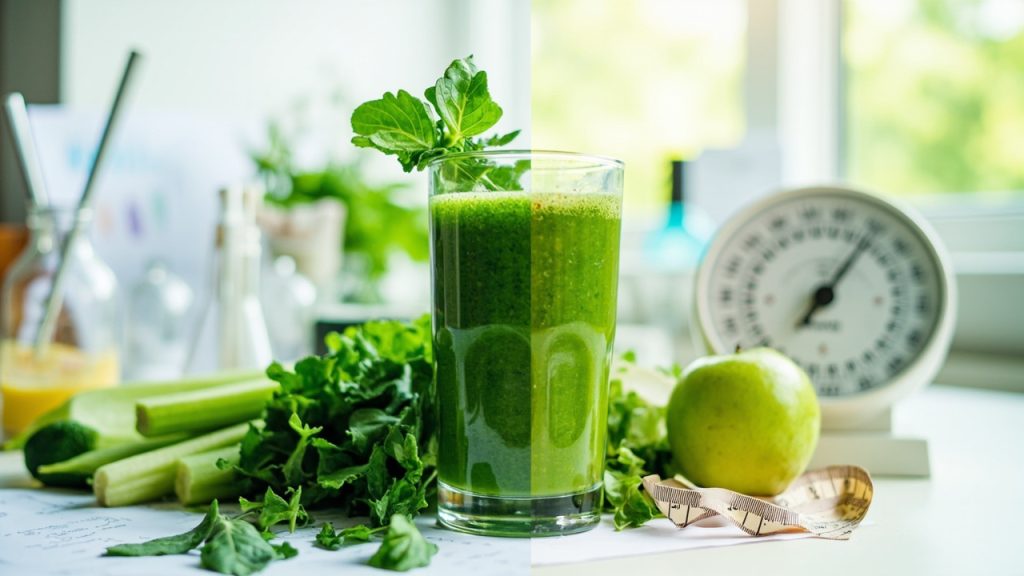
The weight loss industry generates billions of dollars annually, with countless methods promising quick and dramatic results. Among these popular approaches, juicing recipes lose weight strategies have gained tremendous traction on social media and wellness platforms. From celebrity endorsements to before-and-after transformation photos, juice cleanses and weight loss smoothies seem to offer an appealing solution for those seeking rapid results.
However, the fundamental question remains: do these juicing approaches actually deliver sustainable weight loss, or are they simply another diet trend destined to disappoint? With conflicting information flooding the internet and bold claims lacking scientific scrutiny, consumers deserve evidence-based answers. This comprehensive analysis examines the research behind juicing for weight loss, explores the most effective approaches, and provides practical guidance for making informed decisions about incorporating juicing into your wellness journey.
The Science Behind Juicing Recipes for Weight Loss
Understanding the physiological mechanisms behind juicing requires examining how liquid nutrition affects metabolism, satiety, and overall caloric intake. When fruits and vegetables are processed into juice, their fiber content is significantly reduced or eliminated entirely, fundamentally altering how the body processes these nutrients.
Research published in the Journal of Nutrition indicates that fiber plays a crucial role in weight management by promoting satiety and slowing gastric emptying. Without adequate fiber, juice consumption can lead to rapid blood sugar spikes followed by crashes, potentially triggering increased hunger and cravings within hours of consumption.
The thermic effect of food also differs between whole foods and juiced equivalents. Whole fruits and vegetables require more energy to digest and metabolize, contributing to overall caloric expenditure. This process, known as diet-induced thermogenesis, accounts for approximately 8-15% of total daily energy expenditure in healthy individuals.
Additionally, the psychological aspect of liquid calories plays a significant role in weight management outcomes. Studies from the American Journal of Clinical Nutrition demonstrate that people tend to compensate less for liquid calories compared to solid foods, potentially leading to increased overall caloric intake when juices replace meals inappropriately.
Do Juicing Recipes Lose Weight Claims Have Scientific Backing?
The scientific literature presents a nuanced perspective on juicing for weight loss, with studies showing both potential benefits and significant limitations. A systematic review published in the International Journal of Obesity examined short-term weight loss outcomes from juice-based interventions across multiple clinical trials.
The research revealed that participants following structured juice programs did experience initial weight loss, typically ranging from 2-6 pounds within the first week. However, follow-up studies indicated that 60-80% of this initial weight loss consisted of water weight and glycogen depletion rather than sustainable fat loss.
More concerning findings emerged from longer-term studies tracking participants over 6-12 month periods. The National Weight Control Registry, which tracks individuals who have successfully maintained weight loss, found that fewer than 15% of successful maintainers used juice-based approaches as their primary weight loss method.
Metabolic research from the Mayo Clinic suggests that very low-calorie juice programs may actually slow metabolic rate by 10-15% within just one week, potentially making subsequent weight loss more difficult. This metabolic adaptation occurs as the body conserves energy in response to perceived caloric restriction.
Most Effective Juicing Recipes to Lose Weight Naturally
While complete juice cleanses may have limitations, incorporating strategically designed juices into a balanced approach can support weight management goals. The most effective formulations emphasize low-glycemic vegetables over high-sugar fruits, maximizing nutrient density while minimizing caloric impact.
Green Vegetable-Based Recipes:
- Cucumber, celery, spinach, and lemon combination provides hydration with minimal calories
- Kale, parsley, green apple, and ginger offers antioxidants and metabolism-supporting compounds
- Broccoli, cucumber, mint, and lime delivers fiber precursors and natural detoxification support
Research from the Nutrition Journal indicates that vegetable-based juices containing less than 10 grams of sugar per serving can be consumed without significant blood glucose spikes, making them more suitable for weight management compared to fruit-heavy alternatives.
Protein-Enhanced Options:
- Adding plant-based protein powder to green juices increases satiety and preserves muscle mass during caloric restriction
- Incorporating healthy fats like avocado or MCT oil can extend satiety and support hormone production
- Greek yogurt blended with vegetable juices provides probiotics and complete amino acid profiles
The timing of juice consumption also influences effectiveness. Studies suggest consuming vegetable juices 30 minutes before meals can reduce overall caloric intake by 12-15%, likely due to increased satiety and improved portion control awareness.
The Role of Caloric Deficit in Juice-Based Weight Loss
Understanding caloric balance remains fundamental to evaluating any weight loss approach, including juicing strategies. The basic principle of energy balance—calories consumed versus calories expended—applies regardless of whether nutrition comes from solid foods or liquid sources.
Many commercial juice programs create weight loss simply by restricting total caloric intake to 800-1200 calories per day, well below most individuals’ maintenance requirements. This extreme restriction explains the rapid initial results but also highlights the unsustainable nature of such approaches.
For context, understanding caloric content becomes crucial when making informed dietary choices. Just as people benefit from knowing the calorie count at Chipotle when dining out, or being aware of seasonal options like the Starbucks Christmas menu during holidays, juice consumers need awareness of their liquid calorie intake.
Research from the American Journal of Preventive Medicine demonstrates that sustainable weight loss occurs when individuals create moderate caloric deficits of 300-500 calories per day through combined dietary modifications and physical activity. This approach typically results in 1-2 pounds of fat loss per week without significant metabolic slowdown.
The challenge with juice-only approaches lies in their tendency to create excessive caloric deficits that trigger adaptive responses, including increased hunger hormones, decreased leptin sensitivity, and reduced metabolic rate. These physiological changes often lead to rebound weight gain once normal eating patterns resume.
Potential Risks and Side Effects of Weight Loss Juicing
While proponents emphasize benefits, medical professionals have identified several concerning risks associated with extended juice-based weight loss programs. These risks range from mild inconveniences to potentially serious health complications requiring medical intervention.
Nutritional Deficiencies:
- Inadequate protein intake can lead to muscle loss and compromised immune function
- Essential fatty acid deficiencies may impact hormone production and cellular health
- Limited intake of fat-soluble vitamins (A, D, E, K) can affect various physiological processes
- Mineral imbalances, particularly sodium and potassium, may cause electrolyte disturbances
The Harvard School of Public Health reports that individuals following juice-only diets for more than 3-5 days frequently experience fatigue, irritability, difficulty concentrating, and decreased physical performance. These symptoms reflect the body’s struggle to maintain normal function on inadequate nutrition.
Gastrointestinal Issues:
- High fructose content can cause digestive upset, bloating, and diarrhea
- Lack of solid food may disrupt normal digestive patterns
- Reduced fiber intake can negatively impact beneficial gut bacteria
Additionally, individuals with certain medical conditions face elevated risks. People with diabetes, eating disorder histories, or those taking medications should consult healthcare providers before beginning any restrictive juicing program. The rapid changes in blood sugar and nutrient intake can interact dangerously with various medications and medical conditions.
How to Safely Incorporate Juicing Recipes Lose Weight Plans
Rather than adopting extreme juice-only approaches, evidence suggests that moderate integration of juicing into balanced nutrition plans offers the safest path to potential benefits while minimizing risks. This balanced approach allows individuals to harness the nutritional advantages of concentrated vegetables and fruits without compromising overall health.
Practical Integration Strategies:
- Replace one snack daily with a low-sugar vegetable juice instead of eliminating entire meals
- Use fresh juice as a pre-meal appetite suppressant rather than a meal replacement
- Combine juicing with regular physical activity and balanced solid food consumption
- Limit juice-focused periods to 3-5 days maximum with medical supervision if needed
Successful integration also requires attention to timing and composition. Research suggests consuming vegetable-based juices during mid-morning or mid-afternoon periods can help stabilize energy levels and reduce cravings for processed snacks.
For individuals exploring comprehensive weight management approaches, understanding various options becomes important. Some people may benefit from discussing medical interventions like GLP-1 medications with their healthcare providers as part of a complete weight management strategy.
Quality control remains essential for safe juicing practices. Using organic produce when possible, properly cleaning all fruits and vegetables, and consuming fresh juices within 24-48 hours helps minimize exposure to harmful bacteria and maximize nutritional content.
Monitoring and Adjustment Guidelines:
- Track energy levels, mood, and physical performance daily
- Monitor body weight changes but focus on measurements and how clothes fit
- Discontinue juicing if experiencing persistent fatigue, dizziness, or digestive issues
- Gradually increase solid food intake when transitioning away from juice-focused periods
Comparing Juicing to Other Evidence-Based Weight Loss Methods
When evaluated against established weight loss approaches with robust scientific support, juicing shows mixed comparative effectiveness. Understanding these comparisons helps individuals make informed decisions about incorporating juicing into their weight management strategies.
The National Institute of Health’s comprehensive review of weight loss interventions ranks various approaches based on long-term success rates, safety profiles, and sustainability factors. Traditional caloric restriction combined with increased physical activity consistently demonstrates superior outcomes compared to juice-based approaches alone.
Comparative Effectiveness Analysis:
- Mediterranean Diet Pattern: 70-75% of participants maintain weight loss after 2 years
- Structured Caloric Reduction: 60-65% maintain significant weight loss with behavioral support
- High-Protein Approaches: 55-60% show sustained results with improved body composition
- Juice-Based Programs: 20-25% maintain weight loss beyond 12 months
The superior performance of whole-food approaches stems from their emphasis on sustainable behavioral changes, adequate nutrition, and gradual adaptation rather than dramatic short-term restrictions. These methods also better address the psychological and social aspects of eating that influence long-term success.
However, juicing may serve as a useful adjunct to established methods rather than a standalone solution. Some research suggests that individuals who combine moderate juicing with conventional weight loss approaches may experience enhanced motivation and improved vegetable intake compliance.
Cost analysis also favors traditional approaches. The Academy of Nutrition and Dietetics estimates that juice-based programs cost 2-4 times more per day than balanced whole-food diets, making them less accessible for sustained use among most populations.
Expert Recommendations for Sustainable Weight Management
Leading nutrition scientists and medical professionals have developed evidence-based guidelines that acknowledge both the potential role of juicing and the importance of comprehensive approaches to weight management. These expert recommendations synthesize decades of research into practical, sustainable strategies.
Dr. Walter Willett from Harvard’s School of Public Health emphasizes that successful weight management requires addressing multiple factors simultaneously: nutrition quality, portion control, physical activity, sleep quality, stress management, and social support systems. Juicing alone cannot address this complexity.
Expert-Recommended Integration Principles:
- Limit juice consumption to 4-6 ounces daily as part of balanced nutrition
- Prioritize vegetable-based juices over fruit-heavy combinations
- Never replace more than one meal daily with juice for extended periods
- Combine any juice-focused periods with strength training to preserve muscle mass
- Focus on developing sustainable eating habits rather than seeking rapid results
The American Dietetic Association’s position statement on weight management recommends gradual, multifaceted approaches that create sustainable lifestyle changes. They specifically caution against very low-calorie liquid diets for general weight loss, noting their association with nutritional deficiencies and metabolic complications.
Behavioral psychology research adds another layer of expert insight. Studies indicate that individuals who view juicing as a temporary intervention rather than a lifestyle change are more likely to experience weight regain and develop problematic relationships with food restriction.
Mental health professionals also emphasize the importance of addressing underlying eating behaviors and emotional relationships with food. Juice cleanses can sometimes mask or exacerbate disordered eating patterns, particularly among individuals with perfectionist tendencies or histories of restrictive dieting.
The evidence surrounding juicing recipes lose weight approaches reveals a complex picture that defies simple conclusions. While short-term weight loss often occurs with juice-based interventions, the sustainability and health implications require careful consideration. The research demonstrates that most initial weight loss from juicing consists of water weight and glycogen depletion rather than meaningful fat loss.
More importantly, the scientific literature consistently shows that extreme juice-only approaches carry significant risks including nutritional deficiencies, metabolic slowdown, and high rates of weight regain. However, moderate integration of vegetable-based juices into balanced nutrition plans may offer benefits for some individuals when implemented thoughtfully.
The key lies in realistic expectations and sustainable practices. Rather than viewing juicing as a magic solution, consider it as one potential tool within a comprehensive approach that includes balanced nutrition, regular physical activity, adequate sleep, and stress management. Focus on developing lifelong habits that support health and well-being rather than pursuing rapid but unsustainable results.
Before beginning any significant dietary changes, especially if you have underlying health conditions, consult with qualified healthcare professionals who can provide personalized guidance based on your individual needs and medical history. Remember that sustainable weight management is a journey that benefits from patience, consistency, and evidence-based strategies rather than quick fixes or extreme measures.