
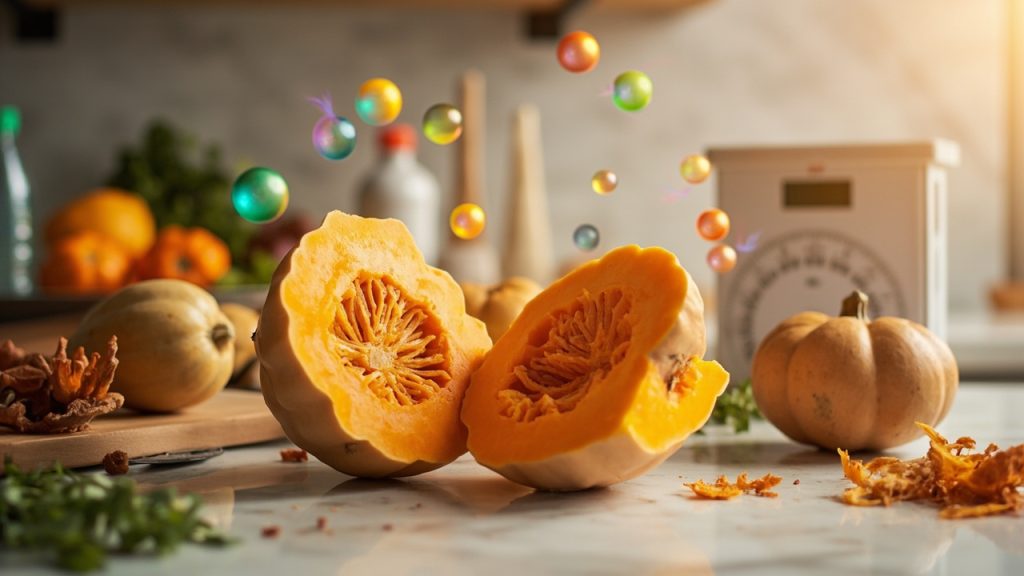
As autumn colors paint the landscape and winter approaches, one vibrant orange vegetable emerges as a nutritional powerhouse that deserves a spotlight on your dinner table. The butternut squash, with its naturally sweet flavor and creamy texture, isn’t just delicious—it’s packed with essential nutrients that can transform your health profile. Understanding butternut squash nutrition info becomes crucial when you’re seeking foods that deliver maximum nutritional bang for your caloric buck.
This humble winter squash contains an impressive array of vitamins, minerals, and antioxidants that support everything from immune function to heart health. Whether you’re managing your weight, fueling athletic performance, or simply trying to eat more nutritiously, the comprehensive nutritional profile of butternut squash offers compelling reasons to incorporate it into your regular meal rotation. Let’s dive deep into the science-backed facts about what makes this golden vegetable such a standout choice for health-conscious eaters.
Complete Butternut Squash Nutrition Info: Calories, Vitamins, and Minerals
According to the United States Department of Agriculture (USDA) database, one cup of cubed butternut squash (approximately 140 grams) contains just 82 calories, making it an excellent low-calorie option for those monitoring their energy intake. This same serving provides 1.8 grams of protein, 0.18 grams of fat, and 21.5 grams of carbohydrates, including 6.6 grams of dietary fiber.
The vitamin content is where butternut squash truly shines. A single cup delivers an astounding 457% of your daily vitamin A needs, primarily in the form of beta-carotene, which gives the squash its distinctive orange color. This same serving provides 52% of your daily vitamin C requirement, supporting immune function and collagen synthesis. The B-vitamin profile includes folate (10% DV), vitamin B6 (13% DV), and thiamine (10% DV), all essential for energy metabolism and nervous system function.
Mineral-wise, butternut squash offers substantial amounts of potassium (582 mg per cup), which supports heart health and blood pressure regulation. You’ll also get meaningful amounts of magnesium (59 mg), manganese (0.2 mg), and smaller quantities of calcium, iron, and zinc. This comprehensive mineral profile supports bone health, muscle function, and enzymatic processes throughout the body.
How Butternut Squash Nutrition Facts Stack Up Against Other Winter Squashes
When comparing butternut squash nutrition info to other popular winter varieties, butternut consistently ranks among the top performers. Acorn squash, for instance, contains only 56 calories per cup but also provides significantly less vitamin A (18% DV versus butternut’s 457% DV). While acorn squash offers more potassium (896 mg), butternut squash delivers superior antioxidant capacity due to its higher carotenoid content.
Delicata squash presents an interesting comparison, offering similar calorie content (40 per cup) but with lower fiber content (2 grams versus butternut’s 6.6 grams). The vitamin C content in delicata squash (22% DV) falls short of butternut’s impressive 52% daily value. Kabocha squash, popular in Asian cuisines, provides comparable vitamin A levels but contains higher natural sugars, resulting in a sweeter taste profile and slightly higher caloric density.
Hubbard squash, the giant of the winter squash family, offers excellent vitamin A content (85% DV per cup) but lacks the balanced nutritional profile that makes butternut squash so versatile. The fiber content in Hubbard squash (5.2 grams) approaches butternut’s levels, but the potassium content (504 mg) remains lower. These comparisons highlight why nutritionists often recommend butternut squash as the most well-rounded choice among winter varieties.
The Health Benefits Behind Butternut Squash’s Impressive Nutritional Profile
The exceptional vitamin A content in butternut squash translates to significant eye health benefits, according to research published in the American Journal of Clinical Nutrition. Beta-carotene, the precursor to vitamin A, helps prevent age-related macular degeneration and supports overall retinal function. The lutein and zeaxanthin compounds naturally present in butternut squash provide additional protective effects against blue light damage and oxidative stress in ocular tissues.
Cardiovascular health receives substantial support from butternut squash’s potassium and fiber content. The American Heart Association recognizes potassium’s role in counteracting sodium’s blood pressure-raising effects, while the soluble fiber helps reduce LDL cholesterol levels. Research from the Harvard School of Public Health indicates that diets rich in orange and yellow vegetables like butternut squash correlate with reduced cardiovascular disease risk, particularly among adults over 50.
The immune-supporting properties stem from the combined effects of vitamin C, vitamin A, and various antioxidant compounds. A study published in Nutrients journal found that individuals consuming higher levels of beta-carotene-rich foods showed improved immune marker profiles and reduced inflammatory responses. The anti-inflammatory properties of butternut squash may also contribute to better joint health and reduced risk of chronic diseases associated with systemic inflammation.
Understanding Butternut Squash Nutrition Info for Weight Management Goals
For individuals focused on weight management, butternut squash nutrition info reveals several advantageous characteristics. The high water content (approximately 86%) and substantial fiber content create a feeling of satiety that can help control portion sizes and reduce overall caloric intake. Research published in the Journal of Nutrition demonstrates that foods with high water and fiber density promote greater satiety per calorie consumed, making butternut squash an excellent choice for those managing their weight.
The natural sweetness of butternut squash can satisfy sugar cravings while providing sustained energy release, unlike processed sweets that cause rapid blood sugar spikes. This stable energy profile makes it particularly valuable for individuals following structured eating plans. When considering calorie counting strategies, butternut squash offers exceptional nutrient density, meaning you get maximum nutritional value for relatively few calories consumed.
The complex carbohydrates in butternut squash digest more slowly than simple sugars, helping maintain steady blood glucose levels throughout the day. This characteristic proves especially beneficial for individuals managing diabetes or prediabetes. The glycemic index of cooked butternut squash ranges from 51-63, categorizing it as a moderate glycemic food that won’t cause dramatic blood sugar fluctuations when consumed in reasonable portions.
Why Athletes and Fitness Enthusiasts Love Butternut Squash Nutrition Benefits
Athletic performance benefits significantly from the nutrient profile found in butternut squash nutrition info. The potassium content supports proper muscle function and helps prevent exercise-induced cramping, while the complex carbohydrates provide sustained energy for endurance activities. Sports nutritionists often recommend butternut squash as part of pre-workout meals because it supplies readily available energy without causing digestive distress.
The anti-inflammatory compounds in butternut squash may accelerate recovery following intense training sessions. Research from the International Journal of Sport Nutrition indicates that athletes consuming diets rich in carotenoids and vitamin C experience reduced markers of exercise-induced oxidative stress. This translates to faster recovery times and improved training adaptations over time.
Recovery nutrition benefits extend beyond inflammation reduction. The magnesium content supports protein synthesis and muscle repair processes, while the B-vitamins facilitate efficient energy metabolism during both exercise and recovery periods. Many fitness enthusiasts incorporate butternut squash into post-workout meals, often combining it with lean proteins to create balanced recovery meals that support muscle growth and glycogen replenishment.
Smart Ways to Maximize Butternut Squash Nutrition in Your Meal Planning
Preparation methods significantly impact the bioavailability of nutrients in butternut squash. Roasting at moderate temperatures (375-400°F) helps break down cell walls, making carotenoids more accessible for absorption while preserving heat-sensitive vitamins like vitamin C. Research published in the Journal of Agricultural and Food Chemistry shows that light cooking actually increases the antioxidant activity of winter squashes compared to raw preparations.
Pairing butternut squash with healthy fats enhances the absorption of fat-soluble vitamins, particularly vitamin A. Adding a drizzle of olive oil, including nuts or seeds, or incorporating avocado into butternut squash dishes can increase carotenoid absorption by up to 300%, according to studies from Ohio State University. This principle makes butternut squash an excellent addition to salads, grain bowls, and roasted vegetable medleys.
Meal planning strategies should consider butternut squash’s versatility across different cuisines and cooking methods. Butternut squash nutrition info remains relatively stable whether the vegetable is roasted, steamed, pureed into soups, or spiralized into noodle alternatives. For busy individuals managing their nutrition alongside demanding schedules, batch-cooking butternut squash on weekends provides convenient, nutrient-dense meal components throughout the week. This approach works particularly well for those monitoring their intake carefully, similar to tracking seasonal menu options during holiday periods.
Common Butternut Squash Nutrition Myths Debunked by Science
One persistent myth suggests that butternut squash contains too much sugar for healthy eating plans. However, scientific analysis reveals that the natural sugars in butternut squash (approximately 4 grams per cup) are accompanied by substantial fiber and water content that moderates absorption and blood sugar impact. The World Health Organization’s guidelines focus on added sugars rather than naturally occurring sugars in whole foods like butternut squash.
Another common misconception claims that cooking destroys all the nutrients in butternut squash. Research from the American Chemical Society actually demonstrates that certain cooking methods enhance nutrient availability. While some vitamin C may decrease with extended cooking times, the beta-carotene becomes more bioavailable through the cooking process. Steaming and roasting preserve the majority of nutrients while improving digestibility and flavor.
Some individuals believe that butternut squash provides inadequate protein for athletic or fitness goals. While it’s true that butternut squash isn’t a complete protein source, it contributes valuable amino acids and pairs excellently with protein-rich foods. The comprehensive butternut squash nutrition info shows that this vegetable excels as a micronutrient powerhouse rather than a protein source, making it an excellent complement to balanced meal planning rather than a standalone protein replacement.
Potential Concerns and Who Should Monitor Their Butternut Squash Intake
Individuals taking blood-thinning medications should exercise caution with large amounts of butternut squash due to its vitamin K content, though the levels are generally moderate compared to leafy greens. The Mayo Clinic recommends maintaining consistent vitamin K intake rather than avoiding it entirely, making portion awareness more important than complete avoidance for most people on anticoagulant therapy.
People with kidney stone history should be aware that butternut squash contains moderate levels of oxalates, compounds that can contribute to calcium oxalate stone formation in susceptible individuals. However, the National Kidney Foundation notes that the benefits of eating nutrient-dense vegetables typically outweigh oxalate concerns for most people, especially when consumed as part of a varied diet with adequate hydration.
Those following very low-carbohydrate diets may need to monitor portions carefully, as one cup of butternut squash contains approximately 22 grams of carbohydrates. While these are primarily complex carbohydrates with beneficial fiber, individuals on ketogenic diets or managing diabetes with strict carbohydrate limits should account for butternut squash in their daily carbohydrate allowances. Consulting with healthcare providers or registered dietitians can help determine appropriate portion sizes for individual health goals, similar to how some individuals need to consider medication interactions when exploring options like GLP-1 medications for weight management.
The comprehensive butternut squash nutrition info reveals why this vibrant winter vegetable deserves a prominent place in health-conscious meal planning. From its exceptional vitamin A content supporting eye health to its fiber and potassium promoting cardiovascular wellness, butternut squash delivers impressive nutritional value in every serving. The scientific evidence consistently demonstrates that incorporating this versatile vegetable into your regular eating routine can support various health goals, from weight management to athletic performance.
Understanding how to maximize butternut squash’s nutritional benefits through proper preparation and strategic meal planning empowers you to make the most of this nutritional powerhouse. Whether you’re roasting it as a side dish, blending it into creamy soups, or incorporating it into grain bowls, butternut squash provides consistent nutritional excellence that adapts to diverse culinary preferences and dietary requirements.
Take action today by adding butternut squash to your next grocery list and experimenting with different preparation methods. Your body will thank you for choosing this nutrient-dense, naturally delicious vegetable that proves healthy eating doesn’t require sacrificing flavor or satisfaction. Start with simple roasted butternut squash cubes as a side dish, then explore more creative applications as you discover how easily this nutritional champion fits into your lifestyle.