
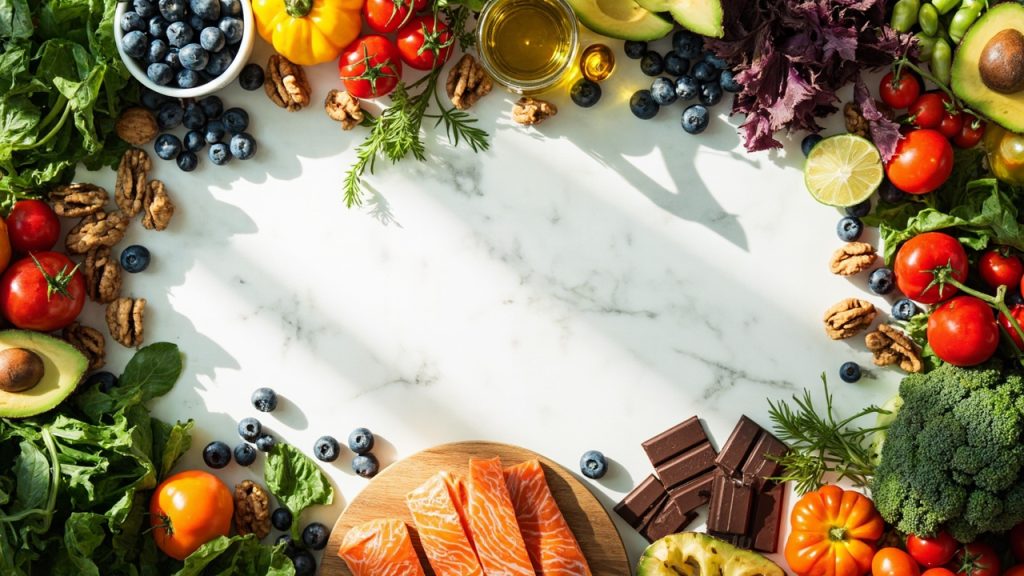
What if the secret to a longer, healthier life isn’t hidden in expensive supplements or cutting-edge medical treatments, but sitting right in your kitchen? The quest for longevity has fascinated humans for centuries, yet groundbreaking research from institutions like Harvard Medical School and studies published in prestigious journals reveal that the answer might be surprisingly simple. The foods that help you live longer aren’t exotic superfoods from distant lands—they’re often common, accessible ingredients that our grandparents have been eating for generations.
Recent scientific evidence demonstrates that dietary choices can significantly impact not just how long we live, but how well we age. From reducing inflammation and protecting against chronic diseases to supporting cellular repair and cognitive function, the right foods act as powerful medicine for our bodies. Understanding which specific foods science has validated for longevity can transform your approach to daily nutrition and potentially add years to your life.
Science-Backed Foods That Help You Live Longer: What Research Really Shows
The scientific community has made remarkable strides in understanding the connection between nutrition and longevity over the past decade. Large-scale epidemiological studies, including the famous Blue Zones research and the Harvard Nurses’ Health Study, have consistently identified specific dietary patterns that correlate with extended lifespans and reduced disease risk.
According to research published in BMJ, individuals who consume diets rich in plant foods, healthy fats, and minimal processed foods show significantly lower rates of cardiovascular disease, certain cancers, and neurodegenerative disorders. These findings aren’t based on short-term studies but on decades of following hundreds of thousands of participants across different populations and cultures.
The mechanisms behind these longevity benefits are multifaceted. Anti-inflammatory compounds found in certain foods help reduce chronic inflammation, which scientists now recognize as a root cause of aging and age-related diseases. Antioxidants protect our cells from oxidative stress, while specific nutrients support DNA repair and cellular regeneration processes that naturally decline with age.
What makes this research particularly compelling is its consistency across different populations worldwide. Whether studying centenarians in Okinawa, Japan, or Mediterranean communities in Italy and Greece, researchers consistently find similar dietary patterns among the longest-lived populations.
Top 20 Longevity Foods According to Scientific Studies
Based on extensive research from Harvard Health and peer-reviewed studies in Nutrients journal, here are the twenty foods that science has most consistently linked to increased longevity and healthspan:
- Blueberries – Rich in anthocyanins that protect brain health and reduce cognitive decline
- Olive Oil – Contains monounsaturated fats and polyphenols that support heart health
- Leafy Greens (Spinach, Kale) – High in folate, vitamin K, and nitrates for cardiovascular support
- Fatty Fish (Salmon, Sardines) – Omega-3 fatty acids reduce inflammation and support brain function
- Nuts (Walnuts, Almonds) – Provide healthy fats, protein, and fiber for heart health
- Tomatoes – Lycopene content protects against cancer and UV damage
- Avocados – Monounsaturated fats and fiber support heart and digestive health
- Greek Yogurt – Probiotics and protein support gut health and bone density
- Sweet Potatoes – Beta-carotene and fiber provide antioxidant protection
- Broccoli – Sulforaphane compounds support detoxification and cancer prevention
- Beans and Legumes – Fiber and plant protein support longevity across Blue Zone populations
- Dark Chocolate – Flavonoids improve cognitive function and heart health
- Green Tea – Catechins provide antioxidant and anti-inflammatory benefits
- Garlic – Allicin compounds support immune function and heart health
- Pomegranates – Punicalagins protect against age-related cellular damage
- Turmeric – Curcumin provides powerful anti-inflammatory effects
- Berries (Strawberries, Blackberries) – Multiple antioxidants protect against chronic diseases
- Seeds (Chia, Flax) – Omega-3s and fiber support heart and brain health
- Red Wine (in moderation) – Resveratrol may activate longevity genes
- Whole Grains – Fiber and B vitamins support metabolic health and longevity
Each of these foods has been validated through multiple studies showing measurable impacts on biomarkers of aging, disease risk reduction, or longevity outcomes in human populations.
Mediterranean Diet: The Gold Standard for Foods That Promote Longevity
The Mediterranean diet consistently emerges as the gold standard when researchers study dietary patterns and longevity. This eating approach, based on the traditional diets of countries bordering the Mediterranean Sea, has been extensively studied and shown to reduce mortality risk by up to 25% according to landmark research published in major medical journals.
What makes the Mediterranean diet so effective for longevity isn’t any single superfood, but rather the synergistic combination of nutrient-dense whole foods. The diet emphasizes olive oil as the primary fat source, abundant vegetables and fruits, whole grains, legumes, nuts, and moderate amounts of fish and poultry. Red meat consumption remains minimal, typically reserved for special occasions.
The PREDIMED study, one of the largest nutritional intervention trials ever conducted, followed over 7,400 participants for nearly five years. Results showed that those following a Mediterranean diet supplemented with extra virgin olive oil or nuts had significantly lower rates of heart disease, stroke, and overall mortality compared to those on a low-fat diet.
Key components that make this dietary pattern so beneficial for longevity include high levels of antioxidants from colorful vegetables and fruits, anti-inflammatory omega-3 fatty acids from fish, and polyphenols from olive oil and red wine. The diet also naturally limits processed foods, refined sugars, and trans fats—all of which are associated with accelerated aging and increased disease risk.
For those interested in optimizing their dietary approach for longevity, exploring our comprehensive guide on the best diet for longevity can provide additional insights into implementing these research-backed principles.
Plant-Based Powerhouses: Vegetables and Fruits That Extend Lifespan
Plant foods consistently emerge as the most powerful allies in the fight against aging and age-related diseases. Research from Harvard Health indicates that individuals who consume the highest amounts of fruits and vegetables—particularly deeply colored varieties—show the strongest protection against chronic diseases and premature mortality.
The secret lies in the incredible diversity of phytonutrients found in plant foods. These naturally occurring compounds, which give plants their colors, flavors, and aromas, provide potent protective effects when consumed regularly. Cruciferous vegetables like broccoli, Brussels sprouts, and cauliflower contain glucosinolates that support the body’s natural detoxification processes and may help prevent certain cancers.
Berries deserve special mention for their exceptional longevity benefits. Studies show that regular berry consumption is associated with slower cognitive decline and reduced risk of neurodegenerative diseases. The anthocyanins responsible for their deep colors cross the blood-brain barrier and accumulate in brain regions associated with learning and memory.
Leafy green vegetables provide another category of longevity superstars. Spinach, kale, arugula, and Swiss chard are packed with folate, vitamin K, lutein, and nitrates. Research suggests that consuming just one serving of leafy greens daily may slow cognitive decline by up to 11 years compared to those who rarely eat these vegetables.
The practical recommendation from longevity research is clear: aim for a rainbow of plant foods daily. Different colors indicate different phytonutrient profiles, so variety ensures you’re getting the full spectrum of protective compounds that support healthy aging.
Healthy Fats and Proteins: Essential Foods for Long-Term Health
Contrary to decades of low-fat dietary advice, modern longevity research emphasizes the critical importance of consuming the right types of fats and high-quality proteins for healthy aging. The key distinction lies not in avoiding fats entirely, but in choosing sources that support rather than harm long-term health.
Monounsaturated fats from sources like olive oil, avocados, and nuts have consistently shown protective effects against cardiovascular disease and cognitive decline. The famous Nurses’ Health Study found that women who consumed the highest amounts of monounsaturated fats had significantly lower risks of heart disease compared to those consuming primarily saturated or trans fats.
Omega-3 fatty acids, particularly the long-chain varieties EPA and DHA found in fatty fish, play crucial roles in brain health and inflammation reduction. Research published in Nutrients shows that regular consumption of omega-3 rich fish is associated with slower brain aging and reduced risk of Alzheimer’s disease.
When it comes to protein, quality matters more than quantity for longevity. Plant-based proteins from legumes, nuts, and seeds consistently show the strongest associations with extended lifespan. However, high-quality animal proteins like those found in fish and poultry can also be part of a longevity-promoting diet when consumed in moderation.
The emerging research on protein timing suggests that maintaining adequate protein intake becomes increasingly important with age to preserve muscle mass and bone density. However, the source of that protein significantly impacts overall health outcomes, with plant proteins generally showing superior longevity benefits.
The Role of Antioxidants and Anti-Inflammatory Foods in Aging
Understanding the role of oxidative stress and chronic inflammation in the aging process has revolutionized how scientists view nutrition’s impact on longevity. These two interconnected biological processes are now recognized as fundamental drivers of aging and age-related disease development.
Oxidative stress occurs when our bodies produce more free radicals than our natural antioxidant systems can neutralize. Over time, this imbalance damages cellular structures, including DNA, proteins, and lipids. Antioxidant-rich foods help restore this balance by providing external sources of protective compounds that neutralize harmful free radicals.
Foods highest in antioxidants include deeply colored berries, dark leafy greens, colorful vegetables, and certain spices like turmeric and cinnamon. The ORAC (Oxygen Radical Absorbance Capacity) scale measures foods’ antioxidant potential, with foods like goji berries, wild blueberries, and dark chocolate ranking among the highest.
Chronic inflammation, often called “inflammaging,” represents another critical target for dietary intervention. Unlike acute inflammation that helps heal injuries, chronic low-grade inflammation accelerates aging and increases disease risk. Anti-inflammatory foods like fatty fish, olive oil, leafy greens, and turmeric help modulate inflammatory pathways and reduce harmful inflammatory markers.
The Mediterranean diet’s effectiveness partly stems from its high content of both antioxidant and anti-inflammatory foods. This combination creates a synergistic effect that protects against multiple age-related diseases simultaneously. For more detailed information about specific anti-aging foods, our guide to superfoods for longevity provides comprehensive insights into optimizing your food choices.
How to Incorporate These Life-Extending Foods Into Your Daily Diet
Knowing which foods promote longevity is only valuable if you can successfully integrate them into your daily eating patterns. The key to lasting dietary change lies in making gradual, sustainable modifications rather than attempting dramatic overnight transformations.
Start by focusing on crowd out rather than cut out strategies. Instead of eliminating foods entirely, begin adding more longevity-promoting options to your meals. Add berries to your morning oatmeal, include a handful of nuts as an afternoon snack, or begin meals with a colorful salad rich in leafy greens and vegetables.
Meal planning becomes crucial for consistency. Dedicate time each week to planning meals that incorporate multiple longevity foods. For example, a typical day might include a breakfast smoothie with berries and leafy greens, a lunch salad with avocado and nuts, and a dinner featuring fatty fish with roasted vegetables drizzled in olive oil.
Practical preparation strategies can eliminate common barriers to healthy eating. Wash and prepare vegetables immediately after grocery shopping, keep nuts and seeds readily available for snacking, and batch-cook grains and legumes for easy meal assembly throughout the week.
Consider the 80/20 approach: aim for nutrient-dense, longevity-promoting foods 80% of the time, while allowing flexibility for social occasions and personal preferences the remaining 20%. This balance promotes long-term adherence while still providing significant health benefits.
Remember that dietary change is a gradual process. Focus on adding one or two new longevity foods each week rather than attempting to overhaul your entire diet immediately. This approach increases the likelihood of creating lasting habits that support long-term health and longevity.
Common Myths About Longevity Foods Debunked by Science
The longevity nutrition space is unfortunately filled with misconceptions and marketing-driven claims that often contradict scientific evidence. Understanding what research actually shows versus popular myths can help you make more informed dietary decisions.
Myth 1: Expensive exotic superfoods are necessary for longevity. Reality: Research consistently shows that common, affordable foods like beans, leafy greens, and basic fruits provide the most significant longevity benefits. The longest-lived populations worldwide typically consume simple, traditional foods rather than expensive imported superfoods.
Myth 2: You must eliminate entire food groups for longevity. Reality: The most successful longevity diets are inclusive rather than restrictive. While limiting processed foods is beneficial, completely eliminating major food groups often proves unsustainable and may lead to nutrient deficiencies.
Myth 3: Supplements can replace whole foods for longevity benefits. Reality: Studies consistently show that nutrients from whole foods provide superior benefits compared to isolated supplements. The complex matrix of compounds in whole foods work synergistically in ways that single supplements cannot replicate.
Myth 4: All calories are equal for longevity. Reality: Research clearly demonstrates that the source of calories matters significantly more than the total number. 200 calories from processed sugar affect the body very differently than 200 calories from nuts or vegetables.
Myth 5: Longevity diets must be extremely low in calories. Reality: While caloric restriction studies show benefits in laboratory settings, real-world longevity is more about food quality than severe caloric restriction. The longest-lived populations typically eat to satisfaction while choosing nutrient-dense foods.
For those curious about their current longevity trajectory based on lifestyle factors, tools like our death clock calculator can provide insights into how dietary and lifestyle choices may impact lifespan, though these should be viewed as educational rather than definitive predictions.
The journey toward a longer, healthier life doesn’t require complicated protocols or expensive interventions—it begins with the simple yet powerful act of choosing the right foods daily. Scientific research has clearly identified the foods that help you live longer, and remarkably, many of these longevity-promoting options are likely already familiar to you.
From the antioxidant-rich berries that protect your brain to the omega-3 fatty acids in fish that support heart health, each meal presents an opportunity to invest in your future wellbeing. The evidence is overwhelming: populations that consistently consume these research-backed foods not only live longer but maintain their vitality and independence well into their later years.
The key to success lies not in perfection, but in consistency and gradual improvement. Start by incorporating just a few of these longevity foods into your daily routine, then gradually expand your repertoire as these choices become natural habits. Remember that every healthy choice you make today is an investment in the quality and quantity of your tomorrow.
Your path to longevity is ultimately determined by the accumulated effect of thousands of small daily decisions. By choosing foods that science has validated for their life-extending properties, you’re taking control of one of the most powerful factors influencing how well and how long you live. The evidence is clear, the foods are accessible, and the choice is yours.