
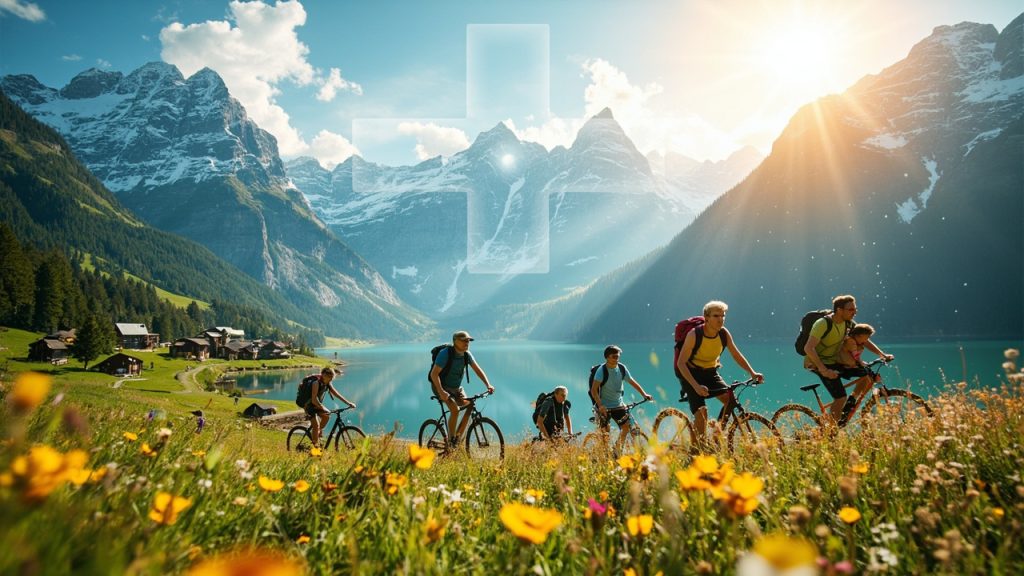
Nestled in the heart of Europe, Switzerland consistently ranks among the world’s healthiest nations, with its citizens enjoying one of the highest life expectancies globally. This Alpine nation has achieved what many countries aspire to: a population that not only lives longer but maintains exceptional quality of life well into their golden years. The secrets behind Switzerland’s remarkable longevity extend far beyond genetics, encompassing a sophisticated blend of healthcare excellence, environmental stewardship, and cultural practices that prioritize well-being. Understanding Switzerland life expectancy patterns offers valuable insights for individuals and policymakers worldwide seeking to enhance population health outcomes. From the pristine mountain air to the world-renowned healthcare system, Switzerland’s approach to health and longevity provides a compelling blueprint for achieving exceptional health outcomes at both individual and societal levels.
Switzerland Life Expectancy Rankings: How the Nation Leads Global Health Statistics
Switzerland consistently maintains its position as one of the world’s top performers in life expectancy statistics, with current data showing an average life expectancy of approximately 83.8 years according to the World Health Organization. This remarkable achievement places Switzerland among the top five countries globally, competing closely with nations like Japan, Singapore, and Italy. Swiss women enjoy an even higher life expectancy of around 85.7 years, while men average 81.6 years, demonstrating the nation’s commitment to gender-equitable health outcomes.
The global life expectancy rankings reveal Switzerland’s sustained excellence over decades, with the country showing consistent improvement year over year. What sets Switzerland apart is not just the raw numbers but the quality-adjusted life years, indicating that Swiss citizens spend more of their extended lifespan in good health. The Swiss Federal Office of Public Health reports that healthy life expectancy in Switzerland exceeds 72 years, meaning citizens can expect to live the vast majority of their lives free from major health limitations.
This exceptional performance becomes even more impressive when considering Switzerland’s aging population demographics. Despite having one of Europe’s oldest populations, the country continues to improve health outcomes through innovative healthcare delivery, preventive care initiatives, and comprehensive social support systems that address health determinants across the entire lifespan.
The Swiss Healthcare System: A Foundation for Longevity
Switzerland’s healthcare system serves as a cornerstone of the nation’s exceptional life expectancy outcomes, combining universal coverage with competitive market principles to deliver world-class medical care. The Swiss healthcare model requires all residents to purchase health insurance while providing government subsidies for lower-income individuals, ensuring comprehensive access to medical services regardless of economic status. This system consistently ranks among the world’s best, with the Commonwealth Fund and World Health Organization recognizing its effectiveness in delivering both primary and specialized care.
The emphasis on preventive healthcare distinguishes Switzerland’s approach from many other nations. Regular health screenings, vaccination programs, and early intervention strategies are deeply embedded in the healthcare culture. Swiss citizens benefit from comprehensive annual health assessments, with healthcare providers focusing on identifying and addressing risk factors before they develop into serious conditions. This proactive approach significantly contributes to Switzerland life expectancy by preventing diseases rather than merely treating them after onset.
Healthcare accessibility remains exceptional throughout Switzerland, with the country maintaining one of the highest ratios of healthcare providers to population globally. The integration of advanced medical technology, research-driven treatment protocols, and personalized care approaches ensures that Swiss residents receive cutting-edge medical attention. The system’s emphasis on continuous medical education and research collaboration with institutions worldwide keeps Swiss healthcare at the forefront of medical innovation, directly impacting longevity outcomes.
Cultural Lifestyle Factors That Boost Switzerland Life Expectancy Rates
Swiss culture embodies principles that naturally promote longevity, with work-life balance being a fundamental societal value that significantly impacts health outcomes. The typical Swiss work week emphasizes productivity over excessive hours, with strong labor protections ensuring adequate rest and recreation time. This cultural approach to work reduces chronic stress, a major contributor to cardiovascular disease and mental health issues that can significantly impact life expectancy. Swiss employees typically enjoy generous vacation time and are encouraged to take regular breaks, contributing to lower stress-related health problems.
Social connectivity plays a crucial role in Swiss longevity, with strong community bonds and family relationships providing essential emotional support throughout life. Swiss society maintains robust intergenerational connections, with older adults remaining actively engaged in community life rather than experiencing social isolation. Research consistently demonstrates that social engagement correlates with improved cognitive function, reduced depression rates, and enhanced immune system function, all contributing factors to extended lifespan.
The Swiss approach to mental health and wellness reflects a comprehensive understanding of health that extends beyond physical symptoms. Mental health services are readily accessible and destigmatized, with Swiss healthcare providers routinely screening for psychological well-being during regular medical visits. This holistic approach ensures that mental health concerns are addressed early, preventing the physical health complications often associated with untreated psychological conditions and contributing to overall longevity.
Environmental Quality and Its Impact on Swiss Longevity
Switzerland’s commitment to environmental protection directly correlates with its exceptional life expectancy outcomes, as clean air, water, and soil create optimal conditions for human health. The country maintains some of the world’s strictest environmental standards, with air quality consistently ranking among the best globally. Swiss cities report PM2.5 levels well below World Health Organization guidelines, reducing respiratory disease rates and cardiovascular complications associated with air pollution exposure. This clean air advantage becomes particularly significant when considering the long-term health benefits accumulated over decades of reduced pollutant exposure.
Water quality in Switzerland meets exceptionally high standards, with the majority of the population having access to pristine mountain spring water that requires minimal treatment. The Swiss Federal Office for the Environment maintains rigorous monitoring of water sources, ensuring that both drinking water and recreational water bodies remain free from harmful contaminants. This access to clean water reduces waterborne illness risks and supports optimal hydration, kidney function, and overall metabolic health throughout the population.
The country’s natural landscape preservation provides residents with unprecedented access to clean, green spaces that promote both physical activity and mental well-being. Switzerland’s extensive network of hiking trails, parks, and protected natural areas ensures that even urban residents can easily access nature for recreation and stress relief. Research demonstrates that regular exposure to natural environments reduces cortisol levels, improves immune function, and enhances overall psychological well-being, contributing to the longevity advantages observed in Swiss populations.
The Role of Physical Activity in Switzerland’s Exceptional Life Expectancy
Physical activity is deeply integrated into Swiss daily life, with the country’s geography and culture naturally promoting active transportation and recreational exercise. Switzerland boasts one of the world’s highest rates of cycling and walking for daily transportation, with comprehensive bike lane networks and pedestrian-friendly urban planning encouraging residents to incorporate movement into their routine activities. This consistent, moderate-intensity activity throughout the day provides cardiovascular benefits that contribute significantly to longevity outcomes, with Swiss adults averaging substantially more daily steps than residents of many other developed nations.
The Swiss embrace of outdoor recreation creates a population that remains physically active well into advanced age. Hiking, skiing, and mountaineering are not merely tourist activities but integral components of Swiss lifestyle across all age groups. The country’s extensive trail system and mountain sports infrastructure make these activities accessible to people of varying fitness levels, promoting lifelong engagement in physical activity. Studies show that regular outdoor exercise in mountainous terrain provides unique cardiovascular and respiratory benefits while also offering mental health advantages through nature exposure and achievement-based goal setting.
Switzerland’s approach to workplace wellness further supports population-wide physical activity, with many employers providing fitness facilities, encouraging active commuting, and supporting employee participation in sports clubs and recreational activities. This comprehensive integration of physical activity into work culture helps maintain fitness levels throughout working years, preventing the sedentary lifestyle diseases that often emerge in middle age and impact long-term health outcomes. The result is a population that maintains higher levels of physical fitness throughout the lifespan, directly contributing to extended healthy life expectancy.
Nutrition and Diet: Swiss Eating Habits That Promote Long Life
Swiss dietary patterns reflect a sophisticated understanding of nutrition that prioritizes high-quality, locally-sourced ingredients while maintaining traditional food preparation methods that preserve nutritional value. The typical Swiss diet emphasizes fresh vegetables, whole grains, lean proteins, and dairy products, with portion sizes that align with nutritional needs rather than excessive consumption. Swiss food culture values meal quality over quantity, with residents typically consuming three balanced meals daily rather than frequent snacking, supporting optimal metabolic function and weight management throughout life.
The integration of longevity-promoting foods into traditional Swiss cuisine provides natural protection against age-related diseases. Swiss consumption of omega-3 rich fish, antioxidant-dense berries, and heart-healthy nuts aligns closely with dietary patterns associated with exceptional longevity in other populations. The country’s dairy products, particularly fermented varieties like Swiss cheese and yogurt, provide beneficial probiotics that support digestive health and immune function, contributing to overall health resilience.
Food safety and quality standards in Switzerland rank among the world’s most stringent, ensuring that residents consume foods with minimal contaminant exposure and maximum nutritional value. The country’s agricultural practices emphasize sustainable farming methods that produce nutrient-dense foods while avoiding harmful pesticides and additives. Swiss food labeling requirements provide consumers with comprehensive information about nutritional content, enabling informed dietary choices that support long-term health outcomes and contribute to the nation’s exceptional life expectancy statistics.
Economic Stability and Social Support Systems in Swiss Health Outcomes
Switzerland’s robust economic foundation creates optimal conditions for health and longevity by reducing financial stress and ensuring access to health-promoting resources. The country maintains one of the world’s highest median incomes combined with relatively low income inequality, meaning that a broad segment of the population can afford healthy food, safe housing, and preventive healthcare. This economic stability eliminates many of the chronic stressors associated with financial insecurity, which research consistently links to accelerated aging, cardiovascular disease, and reduced life expectancy.
The Swiss social safety net provides comprehensive support for citizens throughout their lifespan, from early childhood education and healthcare to robust retirement benefits and elder care services. This cradle-to-grave social support system ensures that health-promoting resources remain accessible regardless of individual economic circumstances or life challenges. The integration of social services with healthcare delivery creates a comprehensive approach to population health that addresses social determinants of health alongside medical care.
Switzerland’s investment in public infrastructure supports health outcomes by creating environments that promote healthy behaviors and reduce health risks. High-quality public transportation reduces air pollution while encouraging physical activity through walking and cycling connections. Well-maintained public spaces, recreational facilities, and cultural institutions provide opportunities for social engagement and stress reduction. These infrastructure investments create a foundation for healthy living that benefits entire communities and contributes to population-wide longevity outcomes.
Regional Variations in Switzerland Life Expectancy Across Cantons
Analysis of cantonal health statistics reveals fascinating variations in life expectancy across Switzerland’s diverse regions, providing insights into the specific factors that optimize longevity outcomes. The Canton of Basel-City consistently reports the highest life expectancy rates, benefiting from exceptional healthcare infrastructure, high education levels, and urban amenities that support healthy aging. In contrast, more rural cantons sometimes show slightly lower life expectancy rates, though these differences are minimal compared to regional variations observed in other countries, reflecting Switzerland’s overall commitment to equitable health outcomes.
Geographic factors contribute to these regional variations, with altitude and climate influencing health outcomes in measurable ways. Higher altitude regions often report enhanced cardiovascular fitness among residents, with the physiological adaptations to altitude providing long-term health benefits. However, these same regions may have reduced access to specialized medical services, creating trade-offs that impact overall health outcomes. The Swiss healthcare system works actively to minimize these disparities through mobile health services and telemedicine initiatives.
Economic and cultural differences between cantons also influence health behavior patterns that impact longevity. French-speaking cantons often show dietary patterns more aligned with Mediterranean diet principles, while German-speaking regions emphasize different aspects of health promotion. The Swiss Federal Office of Public Health uses these regional insights to develop targeted public health interventions that address specific local needs while maintaining the high overall standards that contribute to Switzerland life expectancy leadership globally.
Switzerland’s exceptional life expectancy results from a sophisticated integration of healthcare excellence, environmental stewardship, cultural practices, and social systems that prioritize population health across the entire lifespan. The nation’s success demonstrates that longevity is not merely a matter of genetics or healthcare spending, but rather the result of comprehensive societal choices that create optimal conditions for human flourishing. From pristine natural environments to robust social support systems, Switzerland has created a blueprint for healthy aging that other nations can adapt to their own contexts.
The lessons from Switzerland life expectancy success extend beyond policy recommendations to practical insights for individual health optimization. The Swiss emphasis on work-life balance, regular physical activity, high-quality nutrition, and strong social connections provides actionable strategies for anyone seeking to enhance their own longevity prospects. For those interested in understanding how their current lifestyle choices may impact their lifespan, tools like life expectancy calculators can provide personalized insights based on current health behaviors and risk factors.
As global populations continue aging, Switzerland’s model offers hope and direction for creating societies that not only help people live longer but ensure those additional years are filled with health, purpose, and quality of life. The Swiss experience proves that exceptional longevity is achievable through thoughtful investment in the environmental, social, and healthcare systems that support human health throughout the lifespan.