
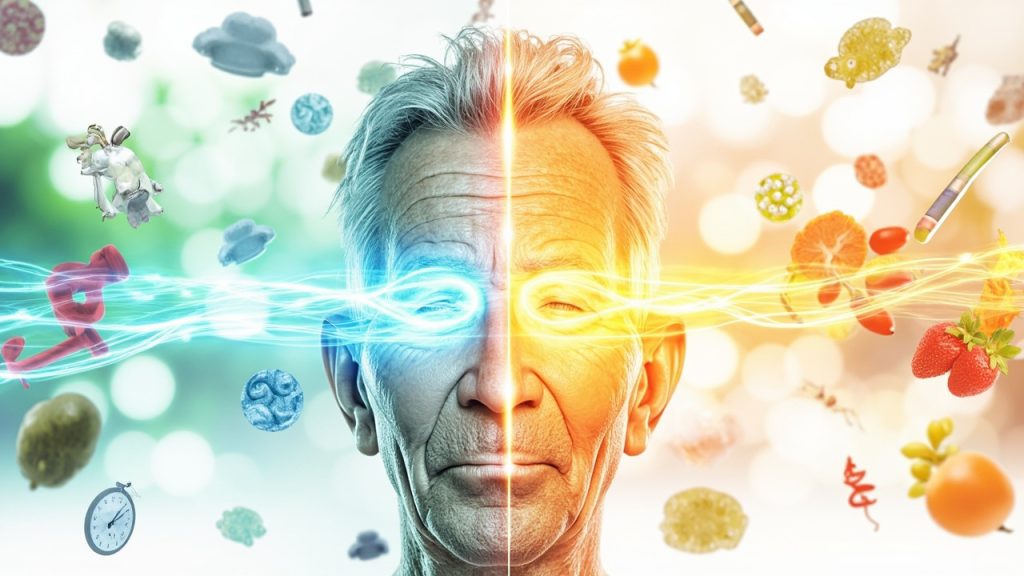
While you can’t stop the ticking of the clock, you can actually slow down and even reverse your body’s internal aging process. Recent breakthrough research in longevity science has revealed that how to reduce biological age is no longer just a fantasy—it’s a measurable, achievable goal through specific lifestyle interventions. Unlike your chronological age, which simply counts the years since you were born, your biological age reflects the actual condition of your cells, tissues, and organs.
This distinction matters more than you might think. Studies published in the journal Aging show that people with the same chronological age can have biological ages that differ by up to 20 years. The exciting news? You have significant control over this process. Through evidence-based strategies backed by researchers like Harvard’s David Sinclair and institutions like the NIH, you can actively turn back your cellular clock and extend not just your lifespan, but your healthspan—the years you live in good health.
Understanding Biological Age vs. Chronological Age: The Science Behind Cellular Aging
Your biological age represents the true age of your body at the cellular level, determined by factors like DNA damage, inflammation levels, and cellular function efficiency. While chronological age simply measures time passed, biological age measures how well your body has weathered that time. This concept has revolutionized our understanding of aging and longevity.
The key lies in your telomeres—protective caps on chromosomes that shorten with each cell division. Research from the NIH demonstrates that lifestyle factors significantly impact telomere length. Additionally, epigenetic changes, which alter gene expression without changing DNA sequence, play a crucial role in biological aging. These changes accumulate over time but can be influenced by environmental factors and lifestyle choices.
Modern science has developed several methods to measure biological age, including epigenetic clocks that analyze DNA methylation patterns. These tools, such as the death clock calculator, provide insights into your cellular age and potential lifespan based on current lifestyle factors. Understanding this measurement empowers you to make targeted improvements that directly impact your body’s aging trajectory.
The most encouraging aspect of biological age research is its reversibility. Unlike chronological age, studies show that biological age can decrease through specific interventions. This means you can literally become biologically younger while chronologically aging, leading to improved vitality, disease resistance, and longevity.
How to Reduce Biological Age Through Exercise and Movement
Exercise stands as one of the most powerful interventions for reducing biological age, with effects visible at the cellular level within weeks of starting a consistent routine. Research published in Cell Metabolism reveals that regular physical activity activates cellular repair mechanisms, reduces inflammation, and stimulates the production of new mitochondria—the powerhouses of your cells.
The optimal exercise prescription for age reversal combines cardiovascular training, strength training, and flexibility work. High-intensity interval training (HIIT) particularly excels at reducing biological age by improving VO2 max, enhancing insulin sensitivity, and promoting the release of growth hormone. Studies show that just 20-30 minutes of vigorous exercise three times per week can reduce biological age by up to 9 years.
Strength training deserves special attention for its anti-aging benefits. Resistance exercise maintains muscle mass, bone density, and metabolic rate—all of which naturally decline with age. The contrast is stark: sedentary lifestyle life expectancy decreases significantly compared to those who maintain regular physical activity. Even moderate increases in daily movement can have profound effects on biological age markers.
The key is consistency rather than intensity. Research shows that even moderate exercise performed regularly provides substantial anti-aging benefits. Activities like brisk walking, swimming, cycling, or yoga can all contribute to biological age reduction when performed consistently over time.
Nutrition Strategies That Turn Back Your Biological Clock
Your dietary choices directly influence cellular aging through multiple pathways including inflammation, oxidative stress, and metabolic efficiency. Research from leading longevity scientists demonstrates that specific nutritional strategies can measurably reduce biological age markers within months of implementation.
The Mediterranean diet consistently shows the strongest evidence for age reversal, rich in antioxidants, healthy fats, and anti-inflammatory compounds. Studies tracking thousands of participants over decades reveal that adherence to this eating pattern can reduce biological age by 2-4 years. Key components include olive oil, fatty fish, nuts, vegetables, fruits, and whole grains while minimizing processed foods and added sugars.
Caloric restriction, when done safely, triggers powerful cellular repair mechanisms called autophagy—your body’s natural housekeeping process that removes damaged cellular components. Research suggests that reducing caloric intake by 15-20% while maintaining nutritional adequacy can significantly slow biological aging. However, this approach requires careful planning to avoid nutrient deficiencies.
Specific nutrients show particular promise for age reversal:
- Omega-3 fatty acids reduce inflammation and support telomere length
- Polyphenols from berries and green tea activate longevity genes
- Fiber supports beneficial gut bacteria linked to healthy aging
- Antioxidants protect against cellular damage from free radicals
Avoiding inflammatory foods proves equally important. Ultra-processed foods, excessive sugar, and trans fats accelerate biological aging by promoting chronic inflammation and oxidative stress. Making gradual shifts toward whole, unprocessed foods provides the foundation for cellular rejuvenation.
The Sleep-Longevity Connection: Optimizing Rest to Reduce Biological Age
Quality sleep serves as a cornerstone of biological age reduction, orchestrating crucial repair processes that occur exclusively during rest periods. During deep sleep, your body clears metabolic waste from the brain, repairs damaged DNA, and releases growth hormone essential for cellular regeneration. Chronic sleep deprivation accelerates aging at the cellular level, while optimal sleep patterns can reduce biological age markers significantly.
Research published in Sleep Medicine Reviews demonstrates that adults who consistently get 7-9 hours of quality sleep show biological ages 1-3 years younger than those with poor sleep habits. The timing of sleep matters as much as duration—maintaining consistent sleep and wake times supports your circadian rhythm, which regulates numerous aging-related processes including hormone production and cellular repair.
Sleep architecture plays a critical role in age reversal. Deep sleep stages facilitate the glymphatic system’s cleaning process, removing toxic proteins associated with neurodegenerative diseases. REM sleep supports cognitive function and emotional regulation, both crucial for healthy aging. Poor sleep quality disrupts these processes, accelerating biological aging through increased inflammation and impaired cellular repair.
Optimizing your sleep environment enhances these anti-aging benefits:
- Maintain bedroom temperature between 65-68°F for optimal sleep quality
- Use blackout curtains or eye masks to support melatonin production
- Limit blue light exposure 2-3 hours before bedtime
- Establish consistent pre-sleep routines to signal your body for rest
Sleep disorders like sleep apnea significantly accelerate biological aging by disrupting oxygen delivery and fragmenting sleep architecture. If you experience persistent sleep issues, addressing them through medical evaluation can provide substantial anti-aging benefits beyond simple rest improvement.
Managing Stress and Mental Health for Cellular Rejuvenation
Chronic stress represents one of the most significant accelerators of biological aging, directly damaging telomeres and promoting systemic inflammation. However, effective stress management can reverse these effects, making stress reduction a powerful tool for biological age reversal. Research shows that stress management interventions can measurably slow cellular aging within 6-12 weeks.
The stress hormone cortisol, when chronically elevated, accelerates cellular aging through multiple pathways. It impairs immune function, disrupts sleep, promotes inflammation, and directly shortens telomeres. Studies following caregivers of chronically ill family members—a population under extreme chronic stress—show biological ages up to 10 years older than their chronological age.
Meditation and mindfulness practices offer scientifically validated stress reduction benefits. A landmark study published in Psychoneuroendocrinology found that participants in an 8-week mindfulness program showed increased telomerase activity—the enzyme that protects and repairs telomeres. Even brief daily meditation sessions of 10-15 minutes can provide measurable anti-aging benefits.
Additional stress management strategies with proven anti-aging effects include:
- Deep breathing exercises that activate the parasympathetic nervous system
- Regular nature exposure which reduces cortisol levels naturally
- Social connection and strong relationships that buffer stress responses
- Gratitude practices that shift focus toward positive aspects of life
Mental health support through therapy or counseling provides additional anti-aging benefits by addressing underlying sources of chronic stress. Cognitive-behavioral techniques help reframe stress-inducing thought patterns, while support groups offer social connection that research consistently links to increased longevity and reduced biological age.
How to Reduce Your Biological Age with Intermittent Fasting and Time-Restricted Eating
Intermittent fasting and time-restricted eating patterns activate powerful cellular repair mechanisms that can significantly reduce biological age. These approaches trigger autophagy—your body’s cellular cleanup process—while improving metabolic efficiency and reducing inflammation. Research demonstrates that various fasting protocols can reduce biological age markers within 8-12 weeks of consistent practice.
The 16:8 method, involving a 16-hour fast with an 8-hour eating window, shows particular promise for beginners. Studies indicate this approach improves insulin sensitivity, reduces inflammatory markers, and activates longevity genes called sirtuins. More intensive protocols like alternate-day fasting or the 5:2 method (eating normally five days, restricting calories two days) show even stronger anti-aging effects but require more careful implementation.
Time-restricted eating synchronizes your metabolism with natural circadian rhythms, enhancing the anti-aging benefits. Eating within a consistent daily window—typically 10-12 hours—optimizes hormone production, improves sleep quality, and supports healthy aging processes. Research shows that eating later in the day disrupts these beneficial effects, making earlier eating windows preferable.
The mechanisms behind fasting’s anti-aging effects include:
- Enhanced autophagy removes damaged cellular components
- Improved insulin sensitivity reduces metabolic aging
- Increased growth hormone production supports cellular repair
- Reduced oxidative stress protects against DNA damage
Safety considerations are crucial when implementing fasting protocols. Individuals with diabetes, eating disorders, or other medical conditions should consult healthcare providers before beginning. Starting gradually with 12-hour eating windows and slowly extending fasting periods allows your body to adapt while minimizing side effects.
Environmental Factors and Lifestyle Changes That Accelerate Age Reversal
Your environment significantly influences biological aging through exposure to toxins, pollutants, and lifestyle factors that either accelerate or decelerate cellular aging processes. Understanding and modifying these environmental influences provides additional leverage for reducing biological age beyond diet and exercise alone.
Air quality directly impacts cellular aging through inflammatory pathways. Long-term exposure to air pollution accelerates telomere shortening and increases biological age markers. Using air purifiers, avoiding high-traffic areas during outdoor exercise, and incorporating indoor plants can improve your air quality. Research shows that even modest improvements in air quality can provide measurable anti-aging benefits.
Chemical exposures from household products, personal care items, and food packaging contribute to biological aging through endocrine disruption and increased toxic load. Switching to natural cleaning products, choosing organic foods when possible, and avoiding plastics for food storage reduces your exposure to aging-accelerating compounds. The cumulative effect of these changes can meaningfully impact biological age over time.
Temperature exposure through practices like cold therapy and heat therapy activates beneficial stress responses that support healthy aging. Cold exposure through cold showers or ice baths stimulates brown fat production and improves metabolic efficiency. Heat exposure through saunas promotes heat shock proteins that protect against cellular damage. Research suggests regular sauna use can reduce all-cause mortality and slow biological aging.
Social and lifestyle environmental factors also influence aging:
- Social connections and community involvement reduce stress and inflammation
- Learning new skills maintains cognitive function and neuroplasticity
- Purposeful activities provide psychological benefits that translate to cellular health
- Light exposure patterns that support healthy circadian rhythms
Cutting-Edge Anti-Aging Supplements and Interventions That Actually Work
While lifestyle factors provide the foundation for biological age reduction, specific supplements and interventions supported by robust scientific evidence can enhance these effects. Research-backed compounds show measurable impacts on aging biomarkers, though they work best in conjunction with healthy lifestyle practices rather than as replacements for them.
Nicotinamide adenine dinucleotide (NAD+) precursors like nicotinamide riboside (NR) and nicotinamide mononucleotide (NMN) show promising results for cellular energy production and DNA repair. Studies indicate these supplements can improve mitochondrial function and activate sirtuins—proteins associated with longevity. Research by David Sinclair and others suggests NAD+ boosters may help reverse certain aspects of cellular aging.
Resveratrol, a polyphenol found in red wine and available as a supplement, activates similar longevity pathways. Clinical trials show resveratrol can improve insulin sensitivity, reduce inflammation, and protect against age-related diseases. However, bioavailability remains a challenge, making high-quality formulations essential for effectiveness.
Additional evidence-supported supplements include:
- Spermidine promotes autophagy and cellular renewal
- Metformin (prescription) shows anti-aging effects beyond diabetes management
- Rapamycin (prescription) extends lifespan in animal studies
- Coenzyme Q10 supports mitochondrial function and energy production
Emerging interventions like hyperbaric oxygen therapy and red light therapy show preliminary promise but require further research. Hyperbaric oxygen increases tissue oxygen levels and may promote cellular repair, while specific wavelengths of red light appear to stimulate mitochondrial function. These interventions represent the cutting edge of anti-aging research but should be considered experimental.
Quality and dosing matter significantly with anti-aging supplements. Third-party testing, proper storage, and pharmaceutical-grade manufacturing ensure effectiveness. Consulting with healthcare providers familiar with longevity medicine helps optimize protocols while avoiding potentially harmful interactions or inappropriate dosing.
The science of biological age reduction has moved from theory to practical application, offering concrete strategies to slow and reverse cellular aging. Through the combination of regular exercise, optimal nutrition, quality sleep, stress management, strategic fasting, environmental optimization, and evidence-based supplementation, you can measurably reduce your biological age while improving your healthspan and vitality.
The key to success lies in consistency and gradual implementation rather than attempting dramatic changes overnight. Start with one or two interventions that resonate most with your current lifestyle, establish them as habits, then progressively add additional strategies. Remember that how to reduce biological age is ultimately about creating sustainable lifestyle patterns that support your body’s natural repair and renewal processes.
Your chronological age will continue advancing, but your biological age—and with it your health, energy, and longevity—remains largely under your control. Begin today with small, consistent actions that compound over time into significant biological age reduction. The investment you make in your cellular health now will pay dividends in increased vitality and extended healthspan for years to come.